


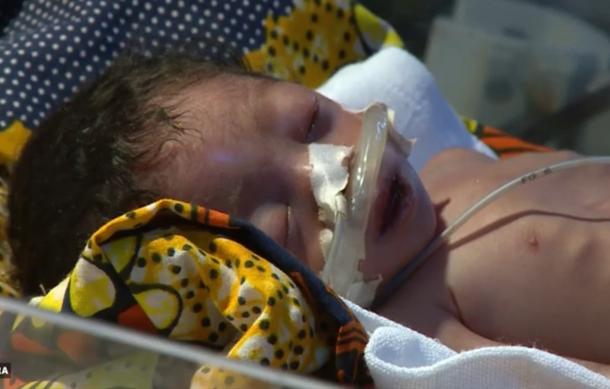
The Africa Centres for Disease Control and Prevention and the African Union are stepping up efforts to eliminate preventable maternal and newborn deaths.
This will be done by strengthening health systems, improving domestic health financing and enhancing accountability across Africa.
The initiative, led by the African Union Champion for Maternal and Child Health, Tanzanian President Samia Suluhu Hassan, is aligned with Agenda 2063, the Africa Health Strategy and the Africa Health Security and Sovereignty Agenda.
It focuses on three key goals mainly: zero preventable maternal deaths, zero preventable newborn deaths and zero unvaccinated children.
Africa CDC has identified five priorities to support these goals.
These are the strengthening primary healthcare, increasing domestic health financing, accelerating digital health, expanding local production of medicines, vaccines and diagnostics and strengthening African leadership in global health.
The organisation said 53 of the 55 African Union Member States have participated in its first continental assessment of reproductive, maternal, newborn, child and adolescent health.
According to a 2025 WHO report, maternal mortality in Africa declined from 727 to 442 deaths per 100,000 live births between 2000 and 2023.
However, the region still accounts for 70% of global maternal deaths, with an estimated 178,000 maternal and 1 million newborn deaths each year, many of them preventable.
The findings will inform Africa's first comprehensive continental report on maternal and child health, providing evidence to improve policies, resource allocation and accountability.
The Government of Benin and development partners have backed the initiative.
They described the assessment as an important step towards strengthening decision-making and improving maternal and child health outcomes.
The commitments were reinforced during a three-day Regional Validation Workshop held in Cotonou, Benin, where senior government officials, technical experts and development partners from West, Central and North Africa reviewed and validated the assessment findings.