

Namibians have been experiencing a household debt crisis of alarming proportions, which is placing increasing pressure on families, workers, and the broader economy.
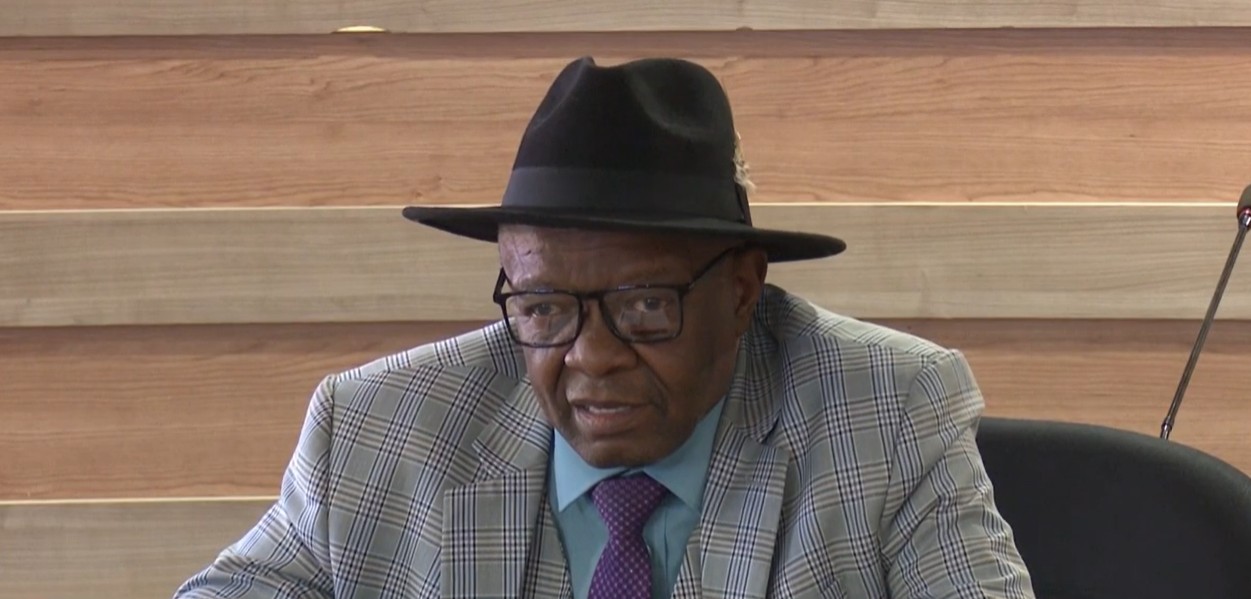
This was revealed when the Parliamentary Standing Committee on Economy and Industry, Public Administration and Planning paid a courtesy call on Otjozondjupa Governor John ||Khamuseb ahead of the public hearing in Otjiwarongo on cash loans and household debt.
Committee Chairperson Iipumbu Shiimi said the government is concerned about increased borrowing for short-term consumption, including payday loans, as well as the growing number of unregistered micro-lenders.
Otjozondjupa Governor John ||Khamuseb advised the committee to engage social workers to better understand the impact of household debt on their mental health.
“And so that social workers can also give their perspective on the impact of cash loans on Namibians. Apart from the legal lenders, who may charge you between 20 and 30%, the most crucial time when people need money is at the beginning of the year, when they need to register their children at universities. Loan sharks also demand double the amount over a period of two to three months, making life miserable for our people.”
He also warned that the burden of "black tax" could become more problematic as the number of dependents supported by working Namibians increases.
Committee Chairperson Iipumbu Shiimi said the challenge of over-indebtedness has become a national crisis as people commit suicide due to high debts.
“The cost of living has also increased, and fuel prices have gone up. Inflation has also risen, but I think what is important is that the economy has remained more or less stagnant for a long period, for the last seven years or so, since 2015. The economy was not growing at all; if it did grow, it was only by about one percent.”
Another member, Imms Nashinge, explained.
“We are losing productive members of society, especially this year. Almost every day or every week, you read on social media or WhatsApp statuses that somebody has died by suicide. And definitely, some of the causes are contributing factors to these community issues. The cake has become smaller, while the number of people sharing it has increased.”
The public hearing will allow members of the public and stakeholders to share their experiences and concerns on whether the existing laws are truly protecting Namibians from exploitation by lending institutions and informal money lenders.