OTJOMBINDE COMMUNITY GARDEN BRINGS NEW HOPE
Breadcrumb
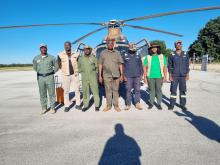
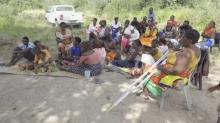
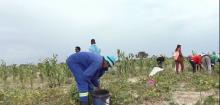
The Otjombinde community has expressed renewed hope following the establishment of a 16-hectare community garden in the area.
Eight hectares of the garden are already under cultivation.



The Otjombinde community has expressed renewed hope following the establishment of a 16-hectare community garden in the area.
Eight hectares of the garden are already under cultivation.
Members of Parliament scrutinised the N$1.3 billion budget allocation for the Ministry of Agriculture, Water and Land Reform, raising concerns over funding sustainability, equitable distribution of marine resources, agriculture decolonisation, and water harvesting strategies.
Members of Parliament contributing to the budget allocation for agriculture and land reform requested the Ministry of Agriculture, Fisheries, Water and Land Reform to provide more financial and technical support to communal farmers to boost productivity.
The ministry has been allocated about N$1 billion
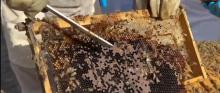
The Managing Director of the Beekeeping Association of Namibia said Namibia's beekeeping industry is under threat.
Gretchen Burmeister warned that the importation of live bees could put the country's food security and biodiversity at risk.
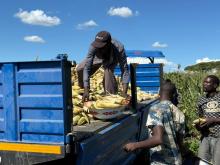
The Ministry of Agriculture, Fisheries, Water and Land Reform has rolled out interventions to assist flood-affected farmers in the Zambezi Region.
The ministry has stepped in by removing the produce of farmers whose fields are submerged by water.
The Minister of Agriculture, Fisheries, Water and Land Reform, Inge Zaamwani said the budget allocated to the ministry will be used to boost food production and ensure fair distribution of land.
The ministry has been allocated about N$1,8 billion.
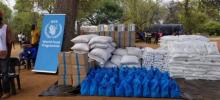
The World Food Programme (WFP) has noted that Namibia's humanitarian and food security situation improved in 2026.
This is despite recurring climate and shock-related hazards, including floods, devastating droughts, and pest infestations.
Flooding in the Zambezi Region is having a devastating impact on farming communities, with many crop fields now submerged under water. Farmers have lost large portions of their crops, while others remain at risk as water levels continue to rise.
There are renewed calls for urgent improvements in the distribution of food aid to affected communities in the Zambezi Region, with concerns raised over delays and lack of accountability in the current system.
The Namibia Fish Consumption Promotion Trust (NFCPT) has taken its awareness campaign to Omaheke, one of the least fish-consuming regions.
The trust took its education awareness to Chief Hosea Kutako Primary School in Aminius.