


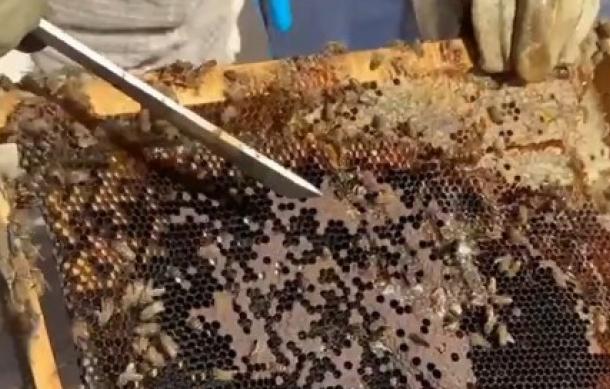
The Managing Director of the Beekeeping Association of Namibia said Namibia's beekeeping industry is under threat.
Gretchen Burmeister warned that the importation of live bees could put the country's food security and biodiversity at risk.
Burmeister, who is also a beekeeper, said over the past six years, industry players have been working to establish baseline data and better understand the scope and value of beekeeping in Namibia.
The sector extends beyond mere honey production, highlighting the crucial role bees play in pollination, which is responsible for nearly 80% of food production and the maintenance of natural vegetation.
Burmeister said these points at a recent information sharing on bees and biodiversity unique to Namibia in Windhoek.
"The role of the mandate and the legal framework is already complex; therefore, it is very difficult to coordinate efforts between line ministries and organisations that do not frequently share information."
Since 2025, Namibia, she said, has been facing a shortage of pollination services, particularly on blueberry farms, raising concern across the agricultural sector.
She warned that the planned importation of live bees from South Africa could worsen the situation.
The type of bee species in South Africa known as the Cape honeybee can reproduce without mating, but they have a specific parasitic behaviour where they go into other bee species' hives and lay eggs that can weaken and kill other bee species.
"We have to convey this information, as it has started to link. We have tried to resolve these issues with the government, and we have requested a moratorium and risk assessment with South Africa, but they have decided they will import bees from that country. Live bee imports are now treated the same way as honey was previously considered a prohibited substance, for various reasons. But again, we are trying and hoping to still stop the import; we have reached out to higher authority, and we are trying to be supportive and look at it scientifically and practically."
With demand for pollination services growing, experts warn that urgent action is needed to protect Namibia's bees and the ecosystems and food systems that depend on them.