


Namibia has repaid the country's second Eurobond, valued at US$750 million, marking the largest single debt maturity in Namibia's history.
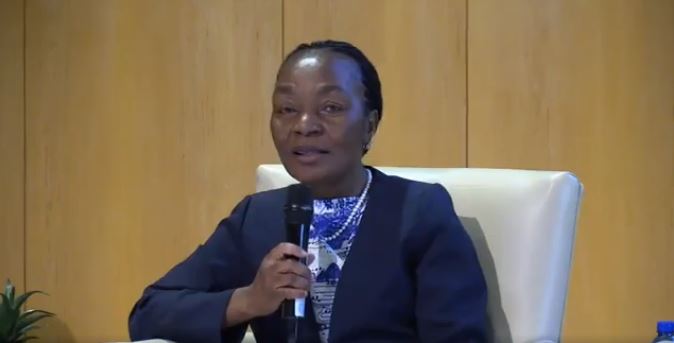
Making the announcement, Finance Minister Ericah Shafudah said this reflects the country's commitment to fiscal discipline, strategic foresight, and prudent debt management.
Namibia first entered the international capital markets in 2011 with a US$500 million Eurobond issued at a 5.5% interest rate, which was successfully redeemed in November 2021.
The second Eurobond, worth US$750 million and issued in 2015 with a 5.25% interest rate, had to be paid back this year, more specifically on 29 October.
To ensure timely repayment, the government established a Sinking Fund at the Bank of Namibia, which accumulated US$444 million toward the repayment.
The remaining US$306 million was sourced through a competitive domestic financing process, with local commercial banks stepping forward to bridge the gap.
Minister Shafudah emphasised that the Eurobond played a pivotal role in stabilising the macroeconomic environment by allowing Namibia to respond to external shocks, including low commodity prices, economic volatility, and regional droughts.
"As of now, following the redemption of the euro bond, the overall government debt portfolio is expected to reflect a ratio of 85 to 15. That is to say, 85% in favour of the domestic market and 15% in terms of the international markets. It is also important to note that approximately 90% of the foreign debt is denominated in ZAR (South African Rand). This strategic positioning contributes to an overall government debt portfolio that is 99% protected from the exchange rate risks."
Bank of Namibia Governor Johannes !Gawaxab added that "If you look at our economic growth, in 2024 we had about 3.7% growth. It's going to moderate this year; that's about 3% in 2025. The reason for this moderation is basic: because of weak global demand and a softer manufacturing sector, particularly in the meat and diamond processing sectors. This explains the drop from 3.7% growth, although it remains well above the 3% we expect. So we expect growth to pick up again in 2026, at around 3.9%. So that's on the growth side."
The finance minister pointed out that this achievement is a testament to Namibia's resilience and credibility and reinforces trust for future borrowing.
Shafudah reaffirmed Namibia's commitment to honouring financial obligations, enhancing creditworthiness, and focusing on consolidating fiscal gains, domestic revenue mobilisation, and investing in inclusive growth sectors.