


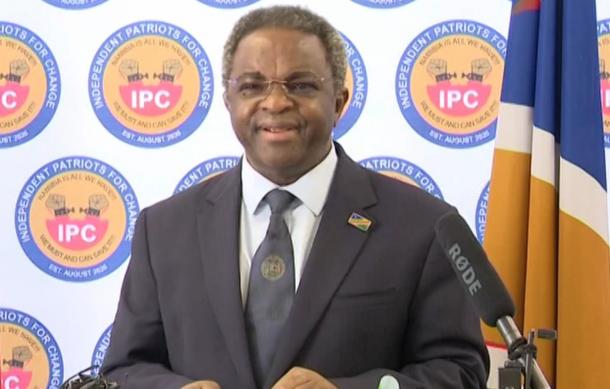
The Petroleum Exploration and Production Amendment Bill, which was recently tabled in the National Assembly in Parliament, has been rejected by the opposition party IPC.
According to IPC President Panduleni Itula, the bill proposes major changes to the regulation of Namibia's upstream oil and gas sector.
Minister of Industries, Mines and Energy (MIME) Modestus Amutse introduced the amendment, which seeks to place oversight of the country's petroleum sector directly under the Office of the President.
IPC has expressed concern that the bill centralises power and weakens accountability in the sector.
"Petroleum governance must be built on constitutional accountability, not presidential centralisation. The Independent Patriots for Change, as the official opposition, places on record today its famed unequivocal objection to the Petroleum Exploration and Production Amendment Bill of 2025, B12 2025, which seeks to transfer core upstream petroleum powers from the responsible minister to the president and to a presidency-controlled upstream petroleum unit."
The IPC said the Bill centralises upstream petroleum powers in the Office of the President, a move it argues could weaken constitutional accountability and parliamentary oversight.
"In its current form, the unnecessary bill would replace the minister with the president in key upstream powers, including critical, physical and regulatory powers, that is, the royalties and the regulations. It shall establish an upstream petroleum unit in the office of the president, with absolutely strong powers, sweeping powers that include regulating, managing and coordinating petroleum affairs with licensing at its core. It will allow the president to appoint the director general, which he has already done, and the deputy director general intends the president herself to determine while making the director general subject to the direction and control, absolute control of the president, the president becoming the law unto himself."
While the Bill makes provision for annual reporting to Parliament on royalty remissions and concessions, it transfers licensing and key regulatory functions to a new unit located within the presidency.
The Bill has since been referred to the relevant parliamentary committee for further scrutiny and public consultations ahead of debate in the House.