


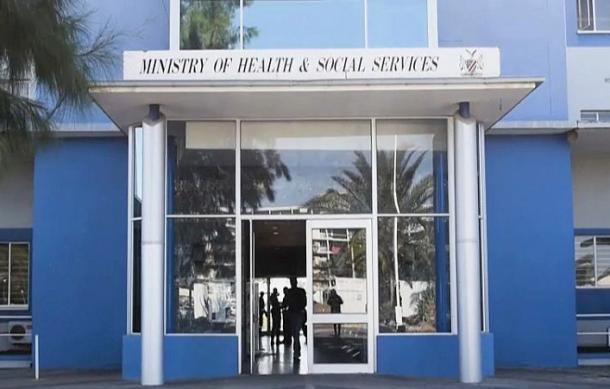
Namibians could soon see changes in how public healthcare is funded once the Universal Health Coverage Bill is enacted.
The landmark bill, amongst others, seeks to establish a robust legal and institutional framework to ensure that all Namibians access essential health services.
The Ministry of Health and Social Services (MoHSS) says a new Universal Health Coverage (UHC) Bill aims to expand access to quality care while protecting citizens from financial hardship.
Currently, public healthcare in Namibia is heavily subsidised, with patients paying small user fees. The proposed law would shift financing away from point-of-service payments toward pooled national funding.
At a consultative meeting at Swakopmund, health professionals say the country may see the introduction of extra sin taxes on tobacco, alcohol, and sugary drinks to raise revenue while encouraging healthier lifestyles.
"At the moment, there is a fee of 4 dollars or 8 dollars depending on the level of services that you are accessing. Either at the clinic or health centre, so funds or payment vary, and sometimes the 4 dollars is overstretched. Instead of accessing the health services at the clinic, they (patients) are sent to district hospitals so that they can get more advanced health services. By then, they are no longer required to pay more. So, they get transported by the ambulance of the government for free. After they receive the treatment, they get fed, so there are other costs these people are taking up, yet it is only coming from the 4 dollars they have paid," says MoHSS Control Health Programme Officer Julia Malule.
Officials say the current system, largely dependent on allocations from the Ministry of Finance, may not meet future health demands.
"We are looking at sources like earmarked sin taxes, which are tobacco, cigarettes, sweets and beverages. There are some other funding sources, like development partners and philanthropists. We will also be looking at solidarity taxes and business contributions," states MoHSS Deputy Director for Policy & Planning, Ambrosius Uakurama.
Anna Jonas is the Health Director for the Erongo Region.
"It will be a good thing because we would like to see people have access to health services. But I think what will be required is more resources in terms of financial resources for us to have transportation but also in terms of facilities because not all facilities were built in such a way that they could be able to accommodate the growing population."
Officials estimate implementation could cost the ministry between N$20 and N$25 billion over the next 5 years.