

There are important lessons that Botswana can draw from Namibia and Morocco, as the country seeks to create a tax system that is not only technically sound but also fair, efficient and aligned with the aspirations of its people.
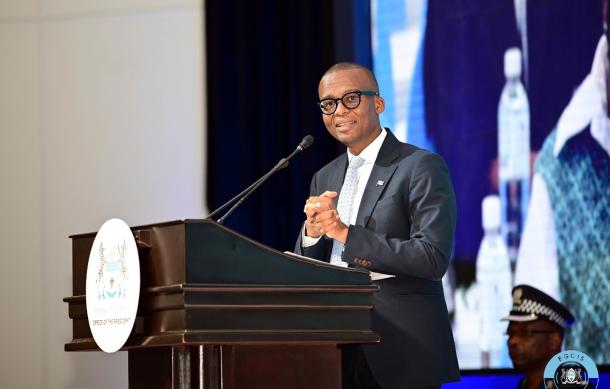
Botswana's Vice President, Ndaba Gaolathe, made this revelation during a recent tax consultative meeting held in Gaborone under the theme: Shaping Botswana's Future Tax System: Dialogue for Fair and Sustainable Tax Reform.
Although Namibia just marked 36 years of independence on Saturday, Gaolathe, who also serves as Botswana's Minister of Finance, praised the President Netumbo Nandi-Ndaitwah-led administration for building a tax system that is modern, efficient, fair and capable of supporting its long-term transformation agenda.
Botswana has embarked on a comprehensive review of its tax laws with a clear objective to improve efficiency through easing tax administration while strengthening its ability to mobilise domestic revenue like Namibia and Morocco.
"Their experience reminds us that transformation is not theoretical; it is achievable when reform is sustained, disciplined, and anchored in a clear national vision. For Botswana, tax reform is not an isolated exercise."
Namibia, Gaolathe says, has demonstrated what is possible through sustained and deliberate tax system reform, thereby achieving a tax-to-gross domestic product ratio of an estimated 32,96%, one of the highest in the region, according to the latest value in 2023.
With a paltry tax-to-GDP ratio of 13,4%, declining mineral revenues, global economic uncertainty and rising demands for social services and infrastructure have placed increasing pressure on Botswana's public finances.