


The Zambezi Region is facing a double-barreled disaster following the outbreak of locusts in some areas.
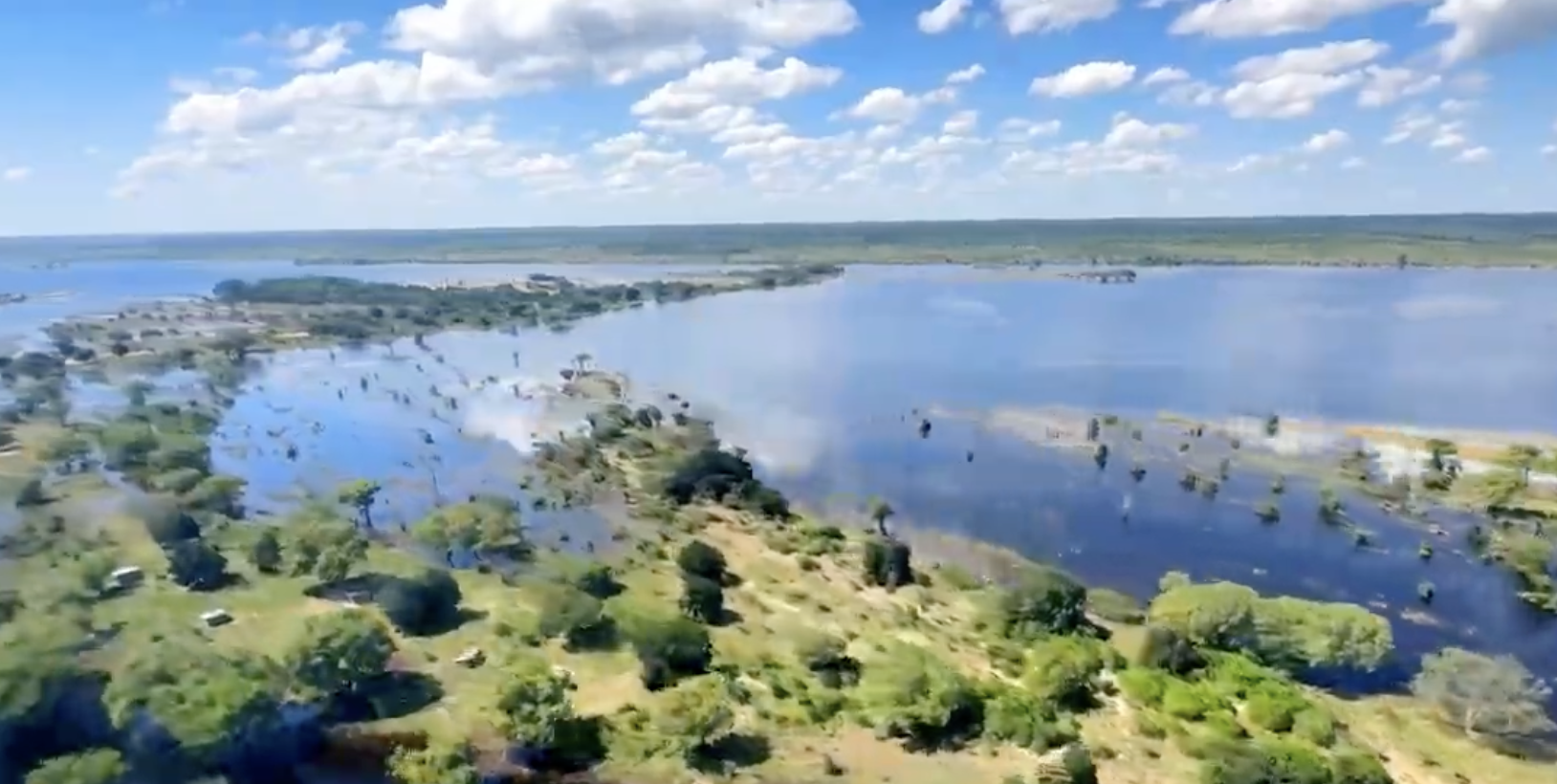
The region is already dealing with worsening floods that have displaced residents, and schools have been closed.
During the second day of the aerial assessment, the disaster management team observed vast farming areas under threat from rising water levels, while locusts were already destroying crops in some areas.
The pests have heavily affected fields in Muyako that have not yet reached floodwaters, further reducing farmers' chances of salvaging their harvest.
Councillors from the affected constituencies, including Raymond Sezuni of Kabbe South, Rector Matengu of Sibbinda, and Dennis Mukena of Katima Mulilo Rural, were part of the final day of the assessment.
"There are a lot of crop fields that are under water, and surprisingly, we had to encounter locusts, or the green worms, which are affecting the constituencies in Katima. In general, it's not just Katima; it's all eight constituencies that are affected by the green worms or locusts," said Mukena.
This marks the third reported locust infestation in the region, despite previous interventions by the Ministry of Agriculture, including the use of drones for spraying.
The Minister of Urban and Rural Development, James Sankwasa, said locusts have also damaged parts of his 50-hectare maize field.
He noted that control efforts often focus on outer areas, while infestations within fields are sometimes overlooked, allowing pests to breed again.
"You see from the air how locusts are affecting these fields; now you wonder where agriculture is since we started complaining from the time these seeds started germinating that we are affected by the locusts."
He further said, "As you can see, it's green; we cannot harvest. The flood is coming; it's a loss, so the only way we can survive here is to hope that the water will not reach the cob level so that it can still ripen up."
The Minister also expressed concern over the recurring cycle of floods and drought in the region.
He said flooding should no longer be treated as an emergency but rather as a predictable seasonal event.
"We cannot be crying out for flood relief during the flood season; three months from now, we are crying out for drought relief. We need to begin considering mitigating factors, such as constructing larger earth dams to capture the water, preventing it from arriving in high waves. Even after the flood subsides, we can still utilise this water for livestock and agriculture."
Sankwasa called for a coordinated, multi-sectoral approach to address the challenges, including stronger locust control measures and improved water management.
He further said Namibia should consider seeking international support and adopting best practices from countries that have successfully managed similar conditions.
The Minister warned that without proper planning, the country risks continuing a cycle of flood and drought emergencies.