


The University of Namibia (UNAM) has recorded a surge in student enrolment following the introduction of subsidised tertiary education.
This, UNAM Vice Chancellor Keneth Matengu said, has provided opportunities to many aspiring graduates.
According to Professor Matengu, first-year enrolment figures have more than doubled, from between 6,000 and 7,000 to over 11,000.
This is the highest since the university's inception in 1992.
Matengu noted the Subsidised Tertiary Education and Training Funding Model, which provides financial support for students, has expanded access for those who previously could not afford tertiary education in 2026.
The move, he said, is helping unlock the potential of young Namibians, positioning education as a key driver of national development.
Since then, the university has enrolled over 30,800 students.
Professor Matengu also announced the approval of the School of Manufacturing and Production Technologies and the School of Nuclear Science.
"We expect to receive applications in the fields of agriculture, medicine, and energy. As a country, we believe as you do that we cannot be one of the leading producers of uranium and have no training capabilities in this field. I strongly believe that it is time for Namibia in particular, and Africa in general, to strongly invest in knowledge sovereignty. Countries with the highest level of knowledge sovereignty rule – because knowledge is supreme. In fact, academics and scientists are nowadays considered more dangerous and thus more targeted than the army generals."
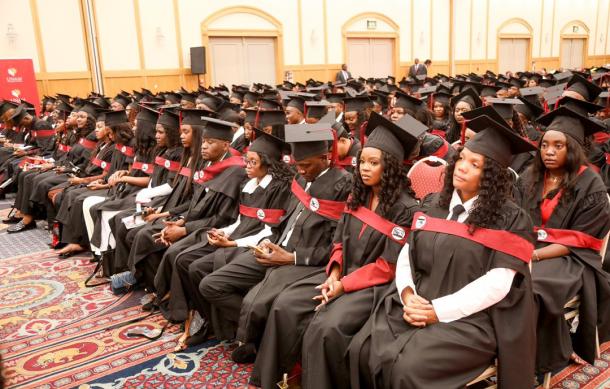
UNAM Chancellor Nangolo Mbumba urged graduates to use their skills to shape Namibia's future.
He encouraged them to remain optimistic, embrace communication and technology, and stay innovative despite global geopolitical and economic challenges.
"You have shown you are made of metal. Academic achievement provides essential knowledge and skills for personal and professional growth, fostering critical thinking and problem-solving abilities. Thus, you have acquired the skills that will allow you to become the architect of Namibia's destiny and future."
UNAM also awarded an honorary doctorate in education to Nahas Angula in recognition of his contributions to education both before and after independence.
Nahas Angula, the first Minister of Education, was assigned one of the liberation struggle's most strategic responsibilities – education – without a budget.
A total of 615 students graduated from the field of education, including two PhDs.