

The Namibian Society of Composers and Authors of Music (NASCAM) has urged the Namibian Broadcasting Corporation (NBC) to increase local artists' airplay and to ensure Namibian artists benefit from royalties, noting that current airplay stands at 52% international and 48% local music.
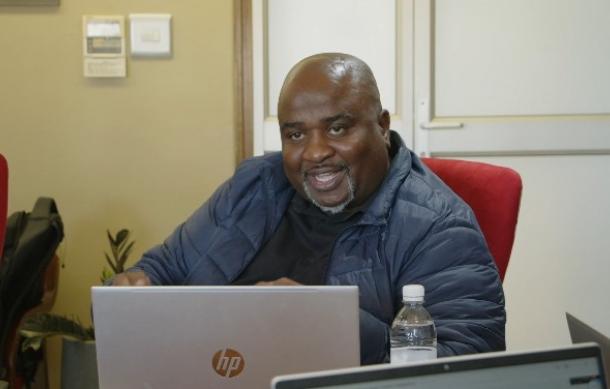
The appeal was made during a courtesy visit by NASCAM's acting CEO, Ferdinand Gertze, to the NBC, where the two institutions discussed strengthening cooperation and reviewing a contractual relationship that has not been formally renewed since 1994.
Gertze encouraged artists to register their works, saying only registered music can be properly tracked and compensated.
He added that artists remain the backbone of the country's cultural and creative sector and deserve fair remuneration for the use of their content.
NBC Director General Menesia Muinjo stressed the importance of ensuring artists benefit from the use of their work, saying broadcasters should not deprive creators of income generated through royalties.
Muinjo noted that even seemingly small royalty payments can make a meaningful difference to artists, adding that the broadcaster has a responsibility to support the sustainability of Namibia's creative industry rather than "taking bread from the artist".
"Then there is a matter that nationally must be tackled: unemployment and economic empowerment. And the artists' job is through talent, inflation and music. So if we don't also at all guide how our music should be distributed, in fact, at the end of the financial year, we're supposed to look at what the percentage of the music genre of our content was, what was international, and what was local. So maybe I know the head of Radio Services is not here, this message is really to go there and say what the NBC strategic thinking will be in terms of ensuring that we don't take that $7.50 out of the country."
The two institutions also discussed the growing impact of digital platforms and artificial intelligence on the music industry.
NASCAM said it is expanding rights administration to cover streaming services, digital downloads and other music rights, while encouraging artists to register their works to qualify for royalties.
The updated framework is expected to take effect in 2027.