

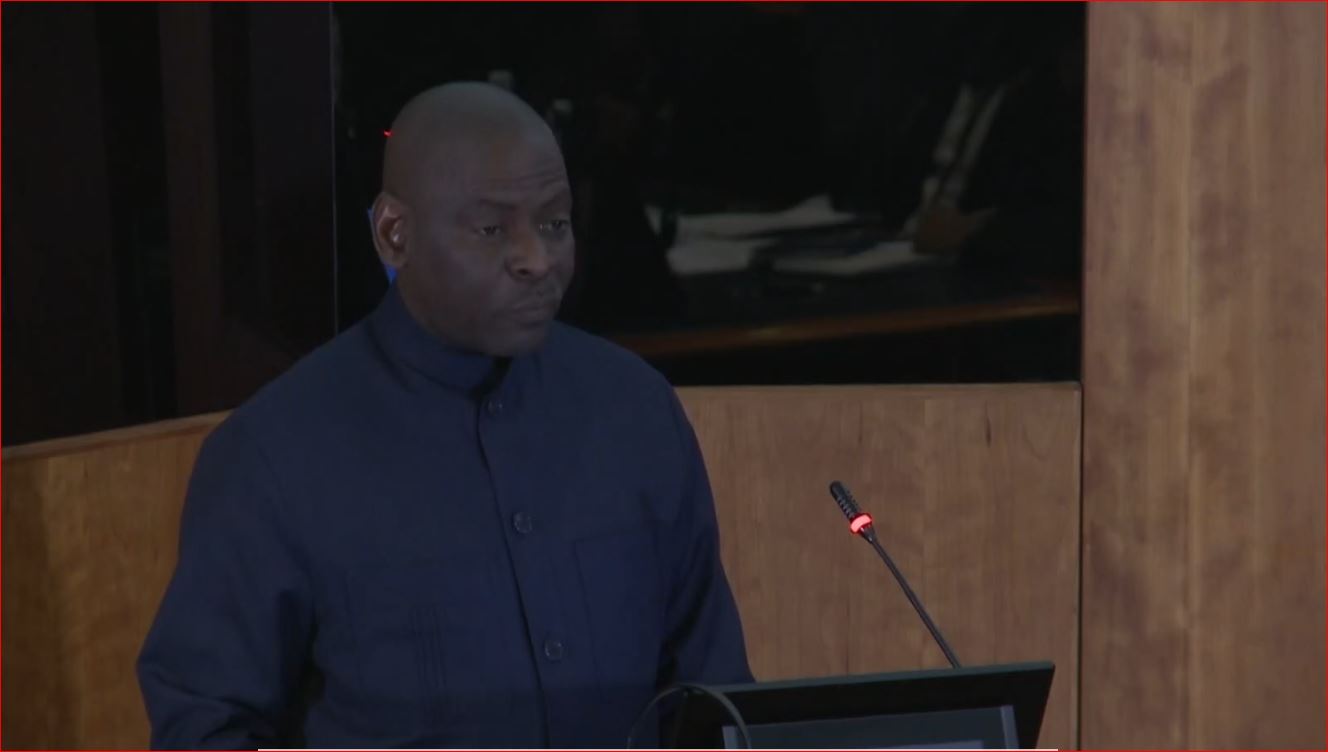
Delivering a motivational address at the Junior National Council, Deputy Speaker of the National Assembly, Phillipus Katamelo, said that the motion on water, sanitation, and hygiene (WASH) is not merely a service delivery issue but is fundamental to children's rights, education, health, and equality.
Katamelo stated that despite Namibia making progress in making provision for WASH infrastructure, many schools and communities, particularly in rural areas, still lack reliable water and sanitation facilities.
“As we have seen again this year in parts of our country, we are not facing a mystery; we are facing a failure of a system that already knows how to build. A child who drinks unsafe water cannot retain what she has learned. A boy who is absent from school every other week cannot sit for an examination with a clear mind. A girl who misses days of school because the latrine is unsafe and unusable, is being equally excluded from the future we keep promising her.”
Katamelo further urged the MPs to rather use the platform to raise issues affecting communities on the ground, listen to one another, and focus on practical solutions to ensure schools across the country have reliable drinking water as well as safe and separate sanitation facilities for boys and girls.
“Do not spend time on what the government has already said. We already know the plans. We already know the strategies. What we need from you is the view from the ground. Ask the very hard questions. Is the tap at your school working today, and not just on paper? Who is responsible when a toilet block is built and then left to rot? Why do some villages still have to walk long distances for water while others have a surplus? What will it take, in practical terms, for every school in your region to have drinking water and separate, lockable sanitation facilities for both girls and boys?”
He further stated that Parliament must keep asking whether the money voted for rural WASH is for its intended purpose.