

The Communications Regulatory Authority of Namibia (CRAN) is taking essential steps to develop and advocate for a responsible and safe electronic waste disposal plan that safeguards public health, protects the environment, and supports the growth of Namibia's digital economy.
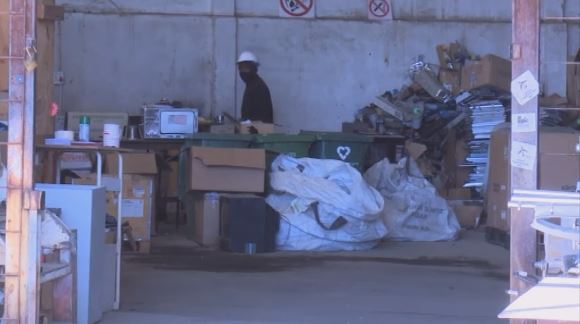
E-waste poses a danger to both the environment and human health due to the toxic materials it contains and the improper disposal methods often used.
Exposure to these toxins can lead to a range of health problems, including cancers and developmental issues.
Additionally, e-waste contaminates soil, water, and air, impacting ecosystems and potentially affecting food sources.
"By championing responsible e-waste disposal, CRAN is not only protecting Namibia's environment but also promoting a culture of trust and security in the digital space. Ensuring safe disposal methods helps prevent electronic waste from contaminating soil and waterways, safeguarding public health. Simultaneously, these initiatives contribute to a cleaner, more sustainable Namibia, one where digital growth and environmental consciousness go hand-in-hand," said Jairus Kapenda, Manager: Communication and International Relations at CRAN.
Over the years, CRAN has initiated public awareness campaigns aimed at informing citizens about the dangers of e-waste.
CRAN disseminates vital information on the proper disposal of electronic devices, recycling options, and the importance of reducing e-waste generation.
Additionally, CRAN has collaborated with the Ministry of Environment, Tourism & Forestry and the City of Windhoek's Waste Management Unit to enhance the reach and effectiveness of e-waste awareness campaigns.