


The Ministry of Industries, Mines and Energy has introduced various initiatives aimed at supporting micro-, small-, and medium enterprises (MSMEs) and enhancing economic participation across Namibia.
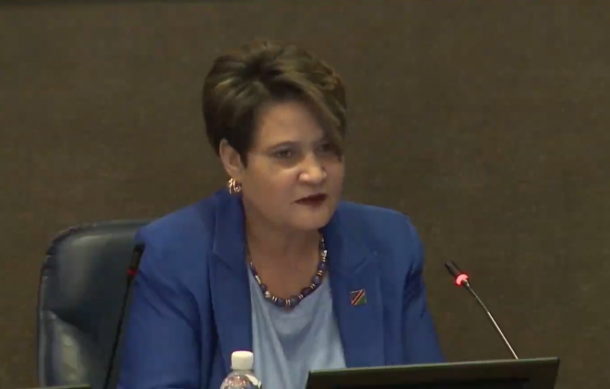
The Deputy Minister of Industries, Mines and Energy, Gaudentia Krohne, addressed participants at the Rural Parliament in Windhoek, where she outlined recent initiatives.
Krohne noted that several MSMEs have expanded into larger enterprises, increasing production, creating jobs and generating revenue.
She said that some of these enterprises now serve as models for other entrepreneurs.
"In 2023, it was re-engineered and reintroduced with revised criteria to ensure a live alignment with current business needs and to improve operational efficiency. The programme now prioritises key sectors such as manufacturing, including garments and metal fabrication; agro-food processing; and gemstone and dimension stone processing, including small-scale mining. A total of 3,213 MSMEs across all 14 regions have benefited, including beneficiaries from the 2023, 2024, and 2024–2025 financial years. As a result, a number of MSMEs have grown into larger enterprises, enhancing production, creating jobs, and increasing revenue."
The Deputy Minister highlighted the Equipment Aid Scheme Programme, which she explained is designed to provide entrepreneurs with equipment, skills and training to support business development.
The programme, Krohne said, prioritises sectors including manufacturing, agro-food processing, gemstone and dimension stone processing and small-scale mining.
"The Equipment Aid Scheme Program was introduced in 2019, but actual training and educational activities started in the 2023–2024 financial year, with the total number of trained micro-, small-, and medium-sized enterprises amounting to 138 entrepreneurs from all corners of Namibia and about 325 small-scale miners."
The programme is implemented through skills- and behaviour-based entrepreneurial training with support from the United Nations Development Programme.
Training packages aimed to build core entrepreneurial competencies, foster a growth-oriented mindset and support the transition from subsistence to commercial enterprises.
The deputy minister said that target groups include unemployed youth, women, veterans and rural populations, especially informal entrepreneurs and subsistence farmers.
Krhone further explained that while the Equipment Aid Scheme Program was introduced in 2019, training and educational activities began in the 2023-2024 financial year.
To date, 138 entrepreneurs from micro, small, and medium enterprises across Namibia have been trained, and 325 individuals have participated in financial literacy programmes through regional offices.
She also provided an update on the Gemstone Cutting and Polishing Training Programme.
The ministry operates three training centres in Karibib, which are equipped with machines and resources to provide practical skills to participants.
42 members from across the country are attending the 8th session of the Rural Women Parliament.