


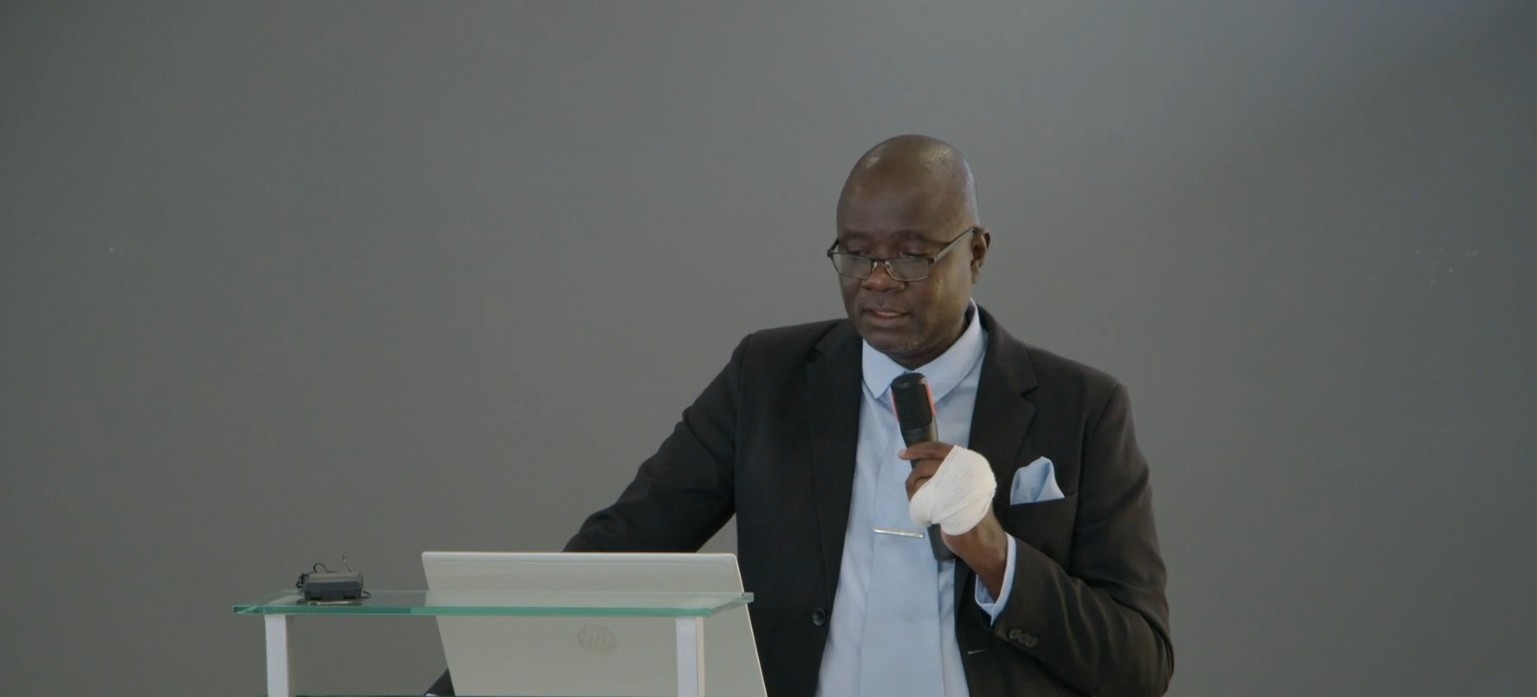
Namibia has reaffirmed its commitment to advancing gender equality and equity with the official induction workshop on the 3rd National Gender Equality and Equity Policy for 2025-2035.
The event brought together senior government officials, regional leaders and institutional heads to discuss implementation strategies.
The workshop, held under the theme Advancing Gender Equality for Sustainable Development, follows the policy's launch in March 2025.
The third National Gender Equality and Equity Policy provides a comprehensive framework guiding multi-sectoral efforts to eliminate gender inequalities across various critical areas.
These include poverty reduction, education, health, economic empowerment, governance, media, environment, legal affairs, peacebuilding, and family equality.
To improve coordination and implementation, the policy's twelve critical areas have been grouped into six clusters, each led by an Executive Director from a relevant ministry.
These are Gender-Based Violence and Human Rights, Health and HIV, Education and Youth Development, Poverty and Economic Empowerment, Governance and Security, and Media, Research and Communication.
Benson Matali, the Deputy Director for Gender Mainstreaming in the Gender Equality Ministry, reminded attendees of their responsibility within the National Gender Permanent Task Force to advocate for gender equality and align national programmes with gender commitments.
"We acknowledge the crucial role that men and boys play in addressing issues like gender-based violence, violence against children, HIV and AIDS, and advancing gender equality and equity as essential components of everyone's lives. Also based on the principle of accountability for gender-based streaming, under this principle, stakeholders involved in the public and private sectors are required to account for gender mainstreaming."
One key initiative highlighted during the workshop is the Gender Responsive Planning and Budgeting effort, aimed at ensuring gender considerations are integrated across all sectoral policies and budgets.
The induction workshop aims to strengthen collaboration across sectors, ensuring that the policy translates into real and measurable improvements in the lives of Namibian women, men, girls, and boys.