


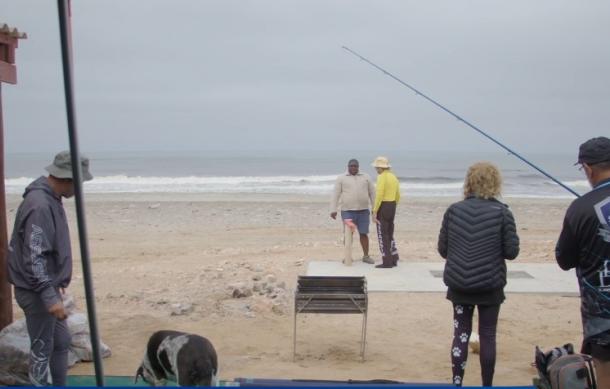
Domestic tourism in Namibia is now emerging as a strong contributor to Namibia's festive-season tourism economy.
During the just-concluded December season, the Namibia Wildlife Resorts (NWR) has seen a bumper holiday season, with the tourism parastatal reporting a massive influx of local tourists.
Namibia experiences what is called the international high season, starting in June and ending in October, sometimes spilling over into November.
This is the period when a high number of international tourists visit Namibia. However, December is the main domestic high season.
This pickup in domestic tourism was experienced at most NWR resorts across Namibia.
The government-owned tourism establishment takes advantage of the appetite for local travel by offering special rates during the holiday season.
NWR's Acting Chief Executive Officer, Epson Kasuto, describes the past festive season as hectic.
"And I think the past high season was very busy. We introduced just before high season what we called the special domestic rate, the SADC rate, which is way, way more affordable to the Namibian people. And hence the massive influx of local tourists that we experienced. Also remember, in November normally we have what we call Black Friday, and it's very famous. People buy a lot of vouchers for Black Fridays, and that actually keeps us going."
But just before and during the holiday season, the NWR made headlines for the wrong reasons; reports about alleged poor service delivery and dilapidated infrastructure made the front pages.
"But these complaints normally come from the fact that between your domestic holiday season and your normal international peak season, you have a very short time to do any recoveries, to do any touch-ups, or to do any necessary maintenance that may have come as a result of this influx of international tourists."
Kasuto points out that NWR is a public company owned by the taxpayers, and therefore everyone has the right to speak on service delivery issues.
"But as much as we are state-owned, we have really, in the last five years or so, done well. Nevertheless, take into account the impact or effects of COVID-19. But after then, we have recovered significantly. And at least on paper, we can say for the last two years, we've been making profits. And profits that are going up, increasing each and every year of the last two years or last three years."
An article in the well-known Michelangelo tourism and travel magazine shows that festive-season travel patterns offer a valuable preview of what Namibia's tourism sector may look like in 2026.
For the tourism industry, the article reads, the message is straightforward – travellers are evolving in how they plan, choose, and experience holidays.
To remain relevant and resilient, the sector must continue evolving alongside them, the article states.