


As the conflict involving the United States (US), Israel and Iran enters its fifth day, African leaders continue to urge calm.
But behind the scenes, there are growing concerns about possible repercussions from Washington.
The African Union (AU), along with Namibia and several other African countries, has called for maximum restraint in the US-Israel versus Iran war since it broke out.
However, a seasoned Namibian diplomat and international relations analyst says this position reflects more than just diplomacy. It also reflects fear.
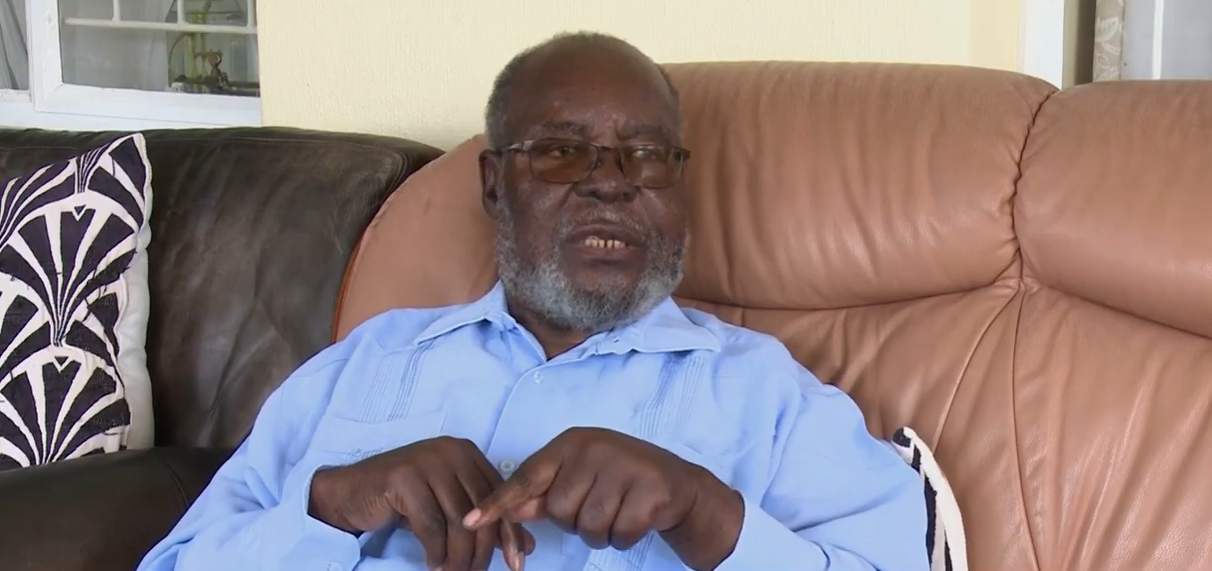
In an exclusive interview with NBC News, Tuliameni Kalomoh said many African leaders are wary of taking a strong stance that could put them at odds with the United States, particularly under the current Trump Administration.
"We are all scared of the United States, particularly this administration; they are quick to resort to intimidation through sanctions."
Sanctions imposed by the US government often take many forms, including individual visa bans and asset freezes.
Ambassador Kalomoh says these measures have left some African governments concerned that adopting a hardline position could lead to personal consequences for leaders, shaping their public pronouncements on the escalating conflict.
"So African ministers are scared in their pants that, if I say too much, I may be a victim of the visa ban. Or some of them, in the African continent, have assets in the United States. And this particular Trump administration in the United States is very vicious. They can easily freeze the assets of individual ministers. They can easily ban their visiting to the United States. And most of these African countries have their children studying in the United States. We are scared to tell the US to stop aggression, we are scared to call out Israel, and we are scared to express solidarity with Iran."
Still, Kalomoh acknowledges a broader lesson for African countries - the need to prioritise their own national interests and social services.
"We should invest in our own countries, in our education systems, and in our health systems. We cannot continue to depend on foreign capitals while their leaders prioritise their own economies and social services."
As tensions continue to rise, African governments appear to be walking a diplomatic tightrope - balancing calls for peace with concerns over potential fallout.
South Africa's President Cyril Ramaphosa even announced that his country stands ready to mediate in the conflict, if requested to do so.