


The concentration camps established in Namibia during German colonial rule represent one of the darkest chapters in the country's history, which is the 1904 to 1908 genocide against the OvaHerero and Nama people.
Namibia, then known as German South West Africa, came under brutal colonial control after indigenous communities resisted land dispossession, forced labour and the seizure of cattle by German settlers.
Following the Herero uprising in January 1904, Germany sent Lieutenant-General Lothar von Trotha to crush the resistance.
After the Battle of Waterberg in August 1904, thousands of Ovaherero fled into the Omaheke Desert.
On 2 October 1904, von Trotha issued what became known as the extermination order, declaring that all OvaHerero people had to leave German territory or face death.
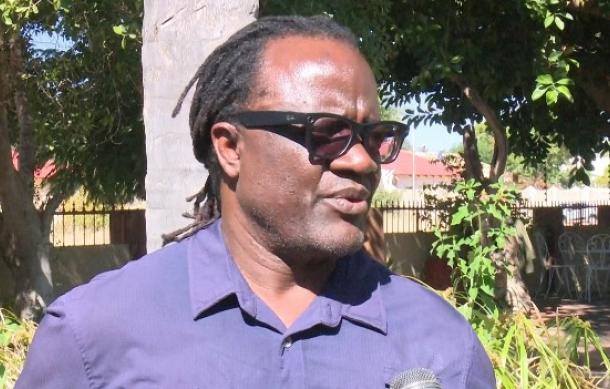
However, according to Jephta Nguherimo, an author, activist, and founder of the OvaHerero People's Memorial and Reconstruction Foundation, the growing outcry from women in Berlin and some German settlers in Namibia contributed to a shift in Germany's approach.
"But the price was not because of the killing; it was because, like, if you kill all these people, how are we going to find workers? So then they say that's when 4 decided to, instead of resending the order, just come back and collect them and push them and establish concentration camps on Shark Island. Those are the big ones. Those were the big ones, but there were so many even everywhere where I used to live," narrated Nguherimo.
Surviving Ovaherero and later Nama prisoners were detained in concentration camps and used as forced labour.
They were forced to work on railway lines, harbour construction and other colonial infrastructure projects under harsh conditions.
" in Swakopmund that's where they pear that everybody's walking onto now and those all those red roofs building is constructed if anything building was constructed in between 1904 to 1908 where constructed by forced labor so there was multi purpose of serving that and there was some evidence some Camp were also used to for the sexual gratification of troupes because when he came in, they didn't have they didn't bring a lot of women so basically they put different women in different areas different camps for sexual gratification and that's why you see why you find so many of our Namibians Hereros or Namas they are mixed blood because of German origin."
In the death camps, such as the ones that were in Swakopmund and Luderitz, people were dying at a higher rate.
"The commanders of those areas, they would make an order to Windhoek that they are running out of men over here and running out of women here, so they supply them, and since this collection of OvaHerero was also facilitated by the Lutheran Church priest, who went to preach with them even in the concentration camps."
Many died from disease, starvation, exposure and abuse. Nguherimo said over 2 thousand human remains are displayed in museums in Germany, some in New York and others in France.
The concentration camps came to an end because of Germany's political situation. With their land destroyed and communities displaced, the Herero and Nama people were forced to continue working for the Germans.