


The seventh annual Nama Cultural Festival concluded on Saturday in Keetmanshoop with large crowds filling the grounds, including members of the Nama community, residents from various parts of the country and international tourists.
The NBC News team visited the event on its final day to capture the vibrant atmosphere and interviewed vendors who played a key role in bringing the cultural experience to life.
One of the festival's key pillars is to preserve Nama cultural identity and language and strengthen pride in heritage by passing traditions and stories to younger generations.
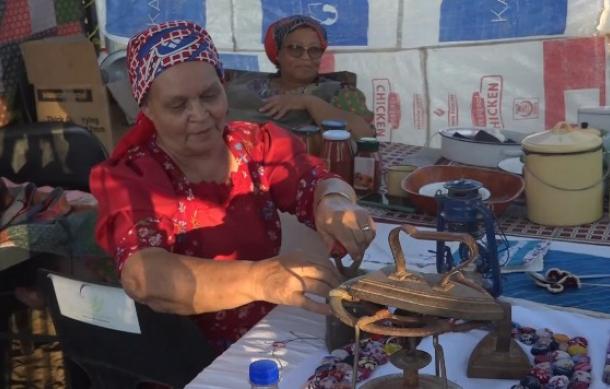
Some vendors displayed traditional items and shared knowledge about household utensils used by older generations.
"This is a flat iron that is heated on a Primus stove for it to become hot, and you can iron your clothes. This is a coal iron. You open it and put hot coals inside, and it is also used for ironing. It stays hot for a longer time and is also cheaper than using a generator. These are beer bottle caps covered with fabric, and they are mainly used for decorations," said vendor Magdalena McKay.
Another aim of the festival is for visitors to bond with family and friends, make new connections, enjoy music and dancing, and try different Nama traditional cuisines.
Vendor Frans Kharoseb of the Krap en Kry stall sold traditional donkey meat and tripe.
"I had donkey meat this morning and tripe, and I also cooked tripe in curry sauce. People enjoyed it, and my prices started from N10 upwards because I had to accommodate everyone. Some people didn't have any money, so I also had to serve them because this is the Nama Festival, and everyone must enjoy it," Kharoseb said.
First-time attendees shared their positive experiences at the festival.
"I learned about the tradition, the cuisine, and the type of history they were portraying here," said Cassius Shanjengange.
"I'm really enjoying the festival because I am starting to get to know new things about the Nama culture, and for the first time, I ate donkey meat, and it's not that bad. People are just overdoing it. It's literally good," said Regina Hangula.