


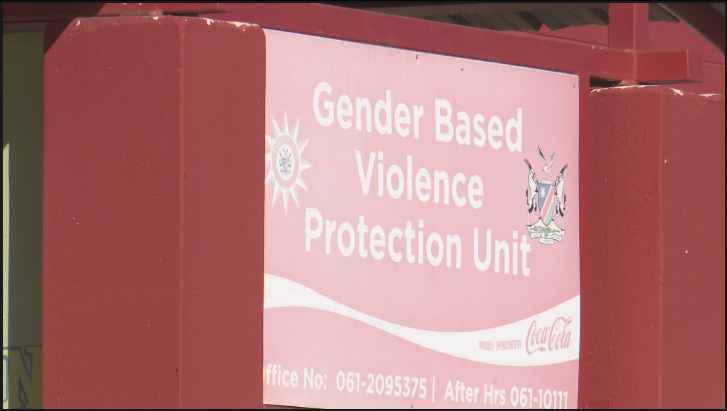
There is a need to interrogate the rise in Gender-Based Violence (GBV) cases, which continue to occur despite strict laws implemented to curb such occurrences.
This is the combined view of various policy analysts and researchers.
Despite laws prescribing lengthy prison terms for offenders, a high number of cases, most prominently rape, continue to be reported across the country.
Dr Marius Kudumo, a public policy analyst, says lawmakers have done their job by passing laws against rape and gender-based violence. He adds that the focus should now be on assessing whether those laws are achieving their intended objectives.
He says there is also a need to understand the causes of rape and gender-based violence in order to develop effective responses.
"We don't have enough evidence on the underlying causes for us to develop laws and policies that can adequately address this problem. What we can do is really go deeper and understand the root causes. It doesn't help you to make laws if the underlying problem is a value system of society. Do we understand the problem that we are addressing? Is it a value problem? Is it a criminal issue?"
Senior Research Fellow in Gender Studies at the University of Namibia, Dr. Immaculate Mogotsi, says systems are in place to respond to survivors, but prevention remains a challenge.
"These measures are in place. What we might notice now is the lack of prevention. We need to place greater emphasis on civic education, particularly when it comes to preventing gender-based violence."
She says there has not been enough investment in programmes that address behaviours linked to gender-based violence. Dr Mogotsi says Members of Parliament can also use constituency visits and local radio stations to explain laws and raise awareness.
As rape and GBV cases continue to be reported, calls are growing for more investment in prevention programmes and efforts aimed at changing behaviours before violence occurs.