


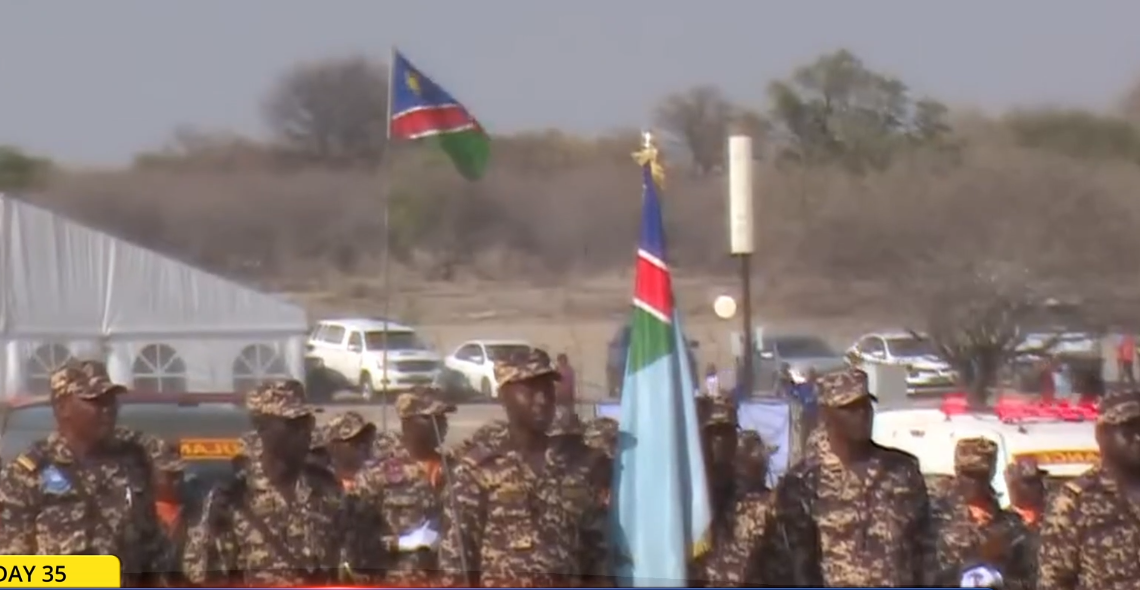
As Namibia prepares to commemorate Heroes Day, questions are being raised about why fewer young people appear to participate in national commemorations.
Experts say the problem may be rooted in how history is taught and how these events are presented to younger generations.
For some young Namibians, national commemorations such as Heroes Day may feel disconnected from their everyday lives.
Senior History Lecturer at the University of Namibia, Dr. Vilho Shigwedha, says this could be because many young people lack a strong understanding of the country's history and the sacrifices made during the liberation struggle.
"Not that they find these stories boring because they don't have background knowledge and understanding. And that's a state area because, I mean, their parents, for example, did not teach their values of what happened during the immigration struggle to them. Therefore, they find that it's irrelevant to them."
Shigwedha argues that the declining interest in history is also linked to the limited importance given to the subject in education and government support.
"Students who want to do history don't receive funding from the government. Not at all. It's all about science, mathematics, and things like that. But how can you talk about the importance? We attach importance to mathematics and to science when you don't attach importance to history. History is the foundation of humanity."
A veteran journalist, Norah Appolus, believes the format of national commemorations also needs to change.
She says organisers must recognise that audiences, particularly young people, are consuming information differently in the age of social media.
"The attention span of young people today is very, very limited, very small. They get bored very quickly. I mean, even adults; the attention span of adults has decreased exponentially because of social media, you know, television, et cetera."
Appolus says lengthy speeches and traditional formats may no longer be enough to keep young people engaged.
"We have to do things differently. We can't do things the way we did them 20 years ago. You know, it's not going to work, and you're going to keep people away."
She also believes the definition of a national hero should be broadened to include people from different walks of life – giving young Namibians an opportunity to identify with the people being honoured.
"So I think we need to broaden this spectrum to include other heroes, heroes who did not necessarily fight in the political arena. And maybe the youth can come up with ideas. Who is your hero?. But I think if we did broaden it, then people would be able to take ownership and would be able to identify with those people that we consider heroes."
Both experts are clear: preserving Namibia's history may require more than remembering the past. According to them, it may also require finding new and creative ways to make that history meaningful to the generation of today.