


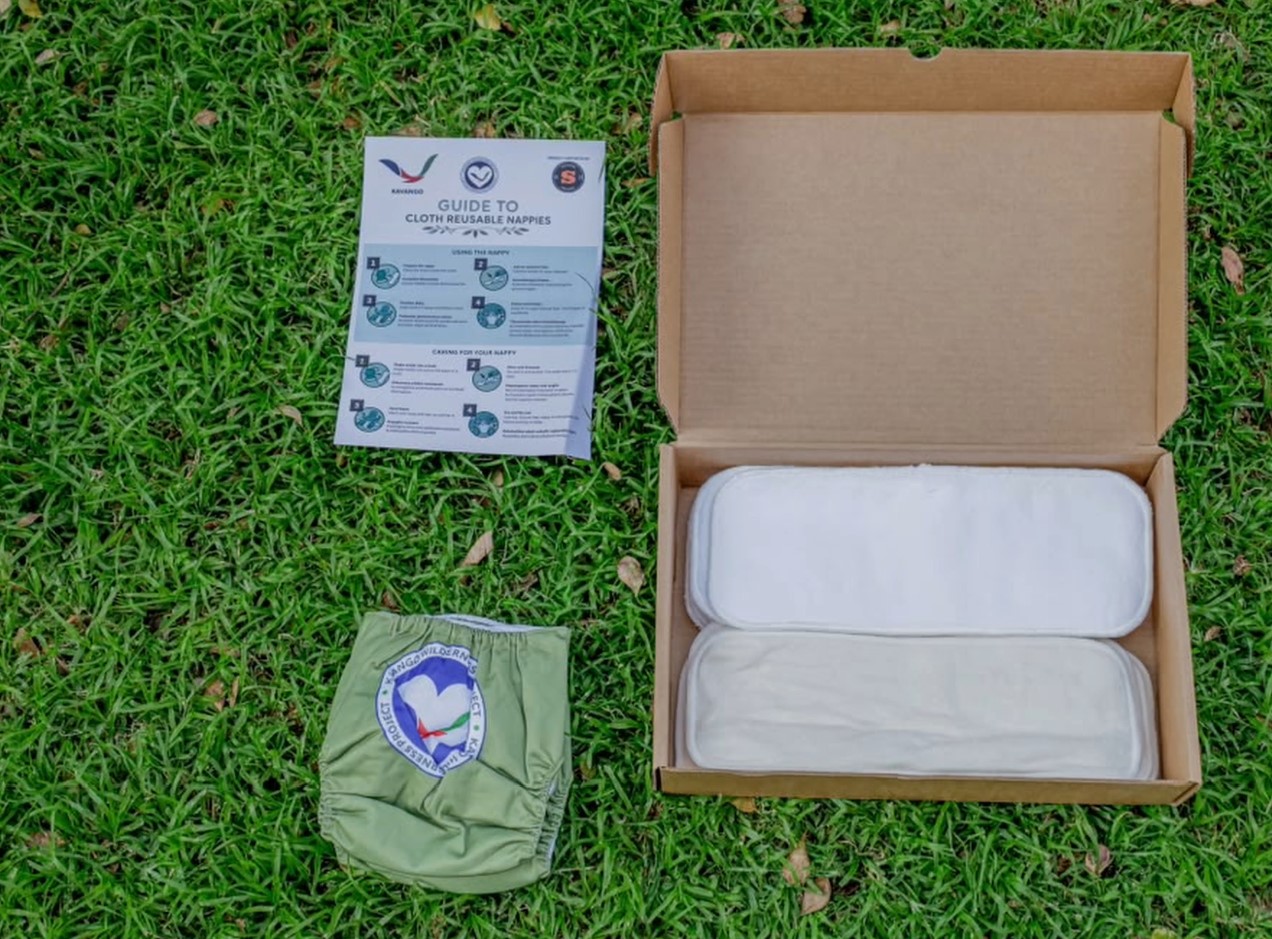
A non-profit organisation has provided mothers in Kamutjonga Village with reusable nappies in an effort to reduce pollution in the Kavango River and protect the surrounding environment.
The Kavango River is a vital source of life for many people and animals in this part of Namibia.
However, certain practices are contributing to plastic pollution and raising concerns about potential health risks.
Mothers who use disposable nappies, particularly in rural villages, have different ways of disposing of them. Some burn the nappies, others dig a hole and bury them, while some simply leave them in the open.
The Kavango Wilderness Project says these disposal methods are harmful to the environment.
The organisation has therefore introduced a programme to provide women with reusable nappies.
The initiative aims not only to help keep the Kavango River free from pollutants but also to reduce the ongoing cost of disposable nappies for families.
“Hopefully it works, and if it works, we want to fundraise, get some more money and roll it out to the next communities. We are not excluding anyone. We are just starting as a pilot project, and then we grow together and roll it out to the next communities,” said Kavango Wilderness Project Country Director Götz Neef Neef.
The project also aims to raise awareness about the environmental and health concerns associated with the improper disposal of disposable nappies.
Conservation Education Specialist Renate Jacobs reiterated, "We normally find them close by. In fact, we found some here when we came to prepare the site, and there are some there underneath the tree. So it is easy for us to wash our babies and sometimes even leave the disposable nappy behind, and that goes into our soil and into our water. We drink it, and sometimes there are health issues that are related."
Laurencia Nyiru is one of 90 women who have benefited from the reusable cloth nappy programme.
She says constantly buying disposable nappies was becoming expensive.
Nyiru says she would also dispose of the nappies by burning them. The reusable cloth nappies have therefore provided some relief.
"I am feeling happy. I will not buy again."
Divundu Village Council Councillor Christoph Sikosi says the government welcomes initiatives that bring together conservation, community development and practical household needs.
"We need more partnerships of this nature, partnerships that do not approach conservation as something separate from people's lives, but recognise that communities are central to protecting the natural resources on which they depend."