


Close to Opuwo's Central Business District (CBD), residents of the Orutjandja West informal settlement say years of paying to occupy land have instead brought more than hardship and uncertainty.
Some struggle without clean water, electricity or toilets, while others fear losing buildings they constructed with their hard-earned savings.
For families who came to Opuwo in search of a better life, the dream of a decent home is turning into a painful struggle for dignity, security and a place to call their own.
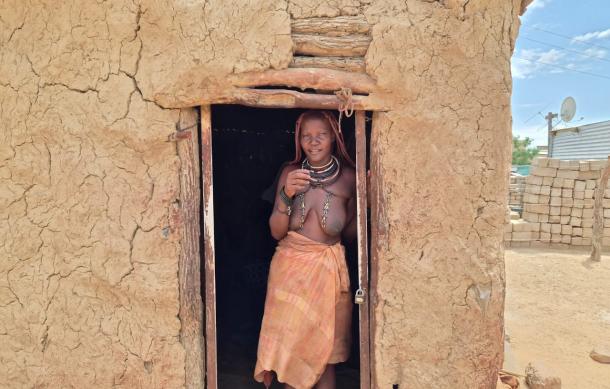
A mother of five, Uazapa Ngombe, says she is struggling to raise her children under hostile conditions.
Ngombe pleads for a decent home where her children can grow up with dignity.
"I am suffering; I don't have water and electricity; I sleep in a traditional house made of cow dung, sand and clay; I clean my own dirt; I fetch water for N$10; I am asking the government for help. I want to be helped with a proper house and water and electricity connection."
The hardship extends beyond one household. Uakateta Tjambiru is another struggling resident.
"We have not been given electricity, we do not have water, we go and fetch it from other houses, and we collect our own garbage and throw it away."
While some families are battling to survive in traditional shelters, others have invested in permanent buildings, hoping to establish businesses and secure their future.
Entrepreneur Joseph Kamwalakamwe says he bought a house in the settlement, extended it and built rental flats after obtaining approval for his proposed building plans.
He says he paid for his own water and electricity connections and made payments to the municipality for permission to occupy the land.
"We are paying for services; currently we are having PTO, which is permission to occupy, and we are paying it monthly."
Now, he says, he has been told to leave because the settlement is earmarked for relocation.
Uatjitirauina Tjiroze, who has lived in the settlement for more than 20 years, faces a similar predicament. She built a permanent structure intended to operate as a bar and constructed public toilets, which she says were part of the requirements.
"After they measured the plots and told us to start paying, that's when we thought the plot belonged to us. They did not explain nicely to us. Yet, after completing the construction, she says her application for a fitness certificate was denied because residents are not permitted to operate there. I met the CEO, and she said in the future there might be heavy floods, so we won't be granted permission to reside here."
Both property owners say they were paying PTO fees as instructed, only to later learn that the payments were regarded as rent to occupy the plots, not proof of ownership. They also claim the municipality has refused to compensate them for the structures they built.
The situation leaves residents caught between the need for basic services and the fear of losing homes and investments they can hardly afford to replace.
The Opuwo Town Council Chief Executive Officer told NBC News telephonically to submit its questions in writing to enable her to obtain authorisation from the Council to respond.