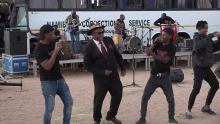
Oshakati set to host Workers' Day commemoration
Breadcrumb
Tomorrow, all roads lead to the Oshakati Sports Stadium as the Oshana Region hosts this year's International Workers' Day commemoration.
The Saint Michael's Anglican Church in the capital commemorated the resurrection of Jesus Christ, reminding congregants that death has no power over them and that there is life after it.
The Swapo Party marks its 65th anniversary today.
Founded in 1960 as the successor to the Ovamboland People's Organization, Swapo played a pivotal role in Namibia's liberation struggle and has been the ruling party since the country gained independence in 1990.
President Netumbo Nandi-Ndaitwah has reiterated Namibia's collective resolve to invest in maternal and child health, disease prevention, and public health awareness.
This, as the country joins the rest of the world to commemorate World Health Day 2025, marked on 7 April every year.
The University of Namibia (UNAM) has announced the unveiling of a special collection of photographs commemorating the life and legacy of the late Dr. Sam Nujoma, who was UNAM’s inaugural Chancellor from April 1993 to November 2011.
Today marks 35 years since the adoption of the Constitution of Namibia.
The late Founding President Dr. Sam Nujoma led the independent Namibia under the new constitution.
Ombara Eben Tjozohongo Nguvauva II of the Ovambanderu Traditional Authority has called upon his community members to promote cultural preservation and maintain peace and unity while fostering development in honour of late Ombara Munjuku || Nguvauva.
The 1st of December is commemorated as World AIDS Day, a day dedicated to raising awareness and supporting those living with HIV and AIDS.
Around the globe, communities came together to commemorate this important day.
The community of Epukiro has over the years faced numerous challenges, such as water shortages and poor grazing land due to persistent drought and poisonous plants.
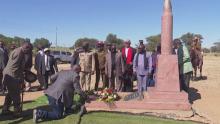
The continued effects of the 1904 Genocide, which saw the displacement of many OvaHerero people, were highlighted at the Chief Hosea Kutako and Otjiserandu Tjongeama commemorations with descendants from Botswana, Canada, and the US.