


Namibia, with its clear skies and ideal conditions for astronomy, has been positioning itself as a growing hub for space science research.
Questions, however, remain about whether the country is doing enough to inspire young people to pursue careers in space science.
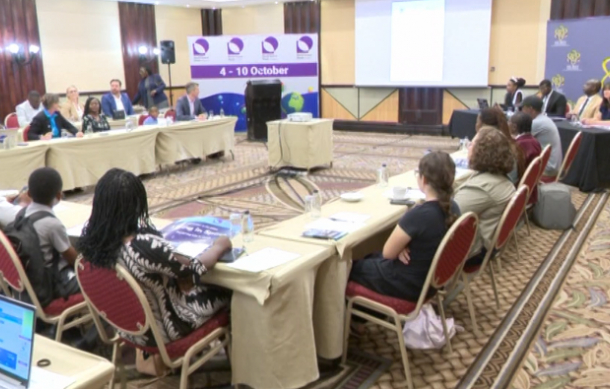
The question was raised during World Space Week, which runs from 4 to 10 of this month under the United Nations declaration.
Miss STEM Namibia and one of the youth ambassadors for this year's programme, Vikapita Ilonga, challenged policymakers to think beyond the week's festivities.
"I would like to challenge us all and to ask ourselves, what are we doing to include the youth in space science and in astronomy in Namibia? Are we doing enough to reel the young people in, to reel us into astronomy, into the space field, because we're trying to create a sustainable space industry in Namibia? So are we utilising our most useful and crucial resource, which is the young minds?"
The Chief Executive Officer of the National Commission on Research, Science and Technology, Professor Anicia Peters, stressed that space science aligns with the SDGs and has the potential to create jobs, foster innovation, and expand knowledge.
"At its core, space science and technology align with SDG 9, which focuses on industry, innovation, and infrastructure. This goal seeks to build resilient and sustainable infrastructure, promote inclusive and sustainable industrialisation, and foster innovation to drive economic growth, create jobs, and find solutions to social and environmental challenges."
Deputy Executive Director in the Ministry of Education, Innovation, Youth, Sports, Art, and Culture, Dr. Lisho Mundia, emphasised education as the cornerstone of Namibia's participation in global space initiatives.
"The ministry has deemed it fit to invest in science and technology, which we refer to as NUST Space Degree Programs, by funding what we call a Namoset Ground Data Receiving Station and equipping its laboratory, which is near completion. We are funding that to a tune of just roughly about N$2 million."
World Space Week is the largest annual space event, celebrated in more than 90 countries.
It, among others, highlights educating people about the benefits of space, promoting the use of space for sustainable economic growth and sparking interest in science and innovation among youth.