

The Ministry of Education says its utilities' cost-saving measures are progressing well, with pilot programmes already producing significant financial savings.
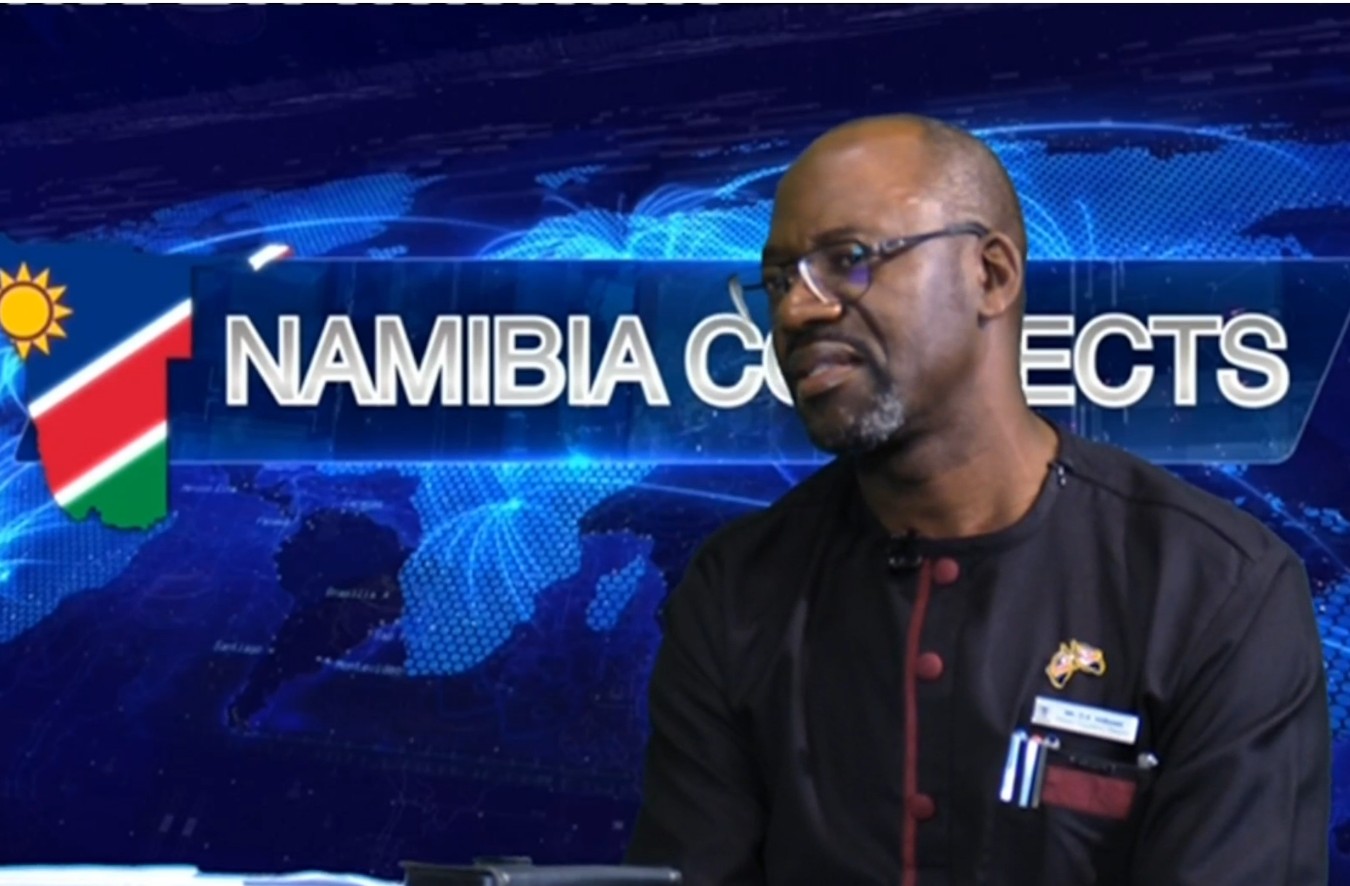
The Executive Director for Finance and Administration, Knox Imbuwa, revealed this during NBC's daily programme, Namibia Connects.
Imbuwa explained that ageing sewer lines, dilapidated infrastructure, and poorly managed electricity accounts at several schools across the country contributed to high utility bills, consuming more than 70% of the ministry's budget.
To curb mounting municipal debt, prevent service cut-offs, and reduce water wastage, the ministry introduced prepaid water and electricity meters at schools – a move that is already yielding positive results.
"We have already started with the implementation, and so far we have connected about 712 schools to prepaid electricity. For water, we have not yet covered many schools, with only 18 schools connected so far. However, this year alone, we are targeting around 790 schools countrywide. We are also replacing worn-out pipelines, while old telephone lines that are no longer functioning but still accumulating rental costs are also being removed."
He further added that the transition to prepaid water and electricity systems has been smooth, with no major challenges reported thus far.
The Ministry is also allocating funds to schools for the purchase of utility tokens.
"In cases where schools run out of water tokens, they can make use of the school development or emergency funds to purchase additional tokens. I must indicate that these tokens normally last between two and three months, and schools appreciate the shift to the prepaid system. I believe we are on the right path with this prepaid process."
Meanwhile, the Ministry of Education is also collaborating with various stakeholders to install solar panels and drill boreholes at schools, particularly in rural areas.
"We also saw the need to benefit from natural energy sources. Whenever we build schools, we now aim to install solar power systems as well. We are also identifying schools in rural areas that still do not have access to electricity. Through these initiatives, we want to improve inclusivity and ensure learners have access to water and electricity so they can remain in school."