


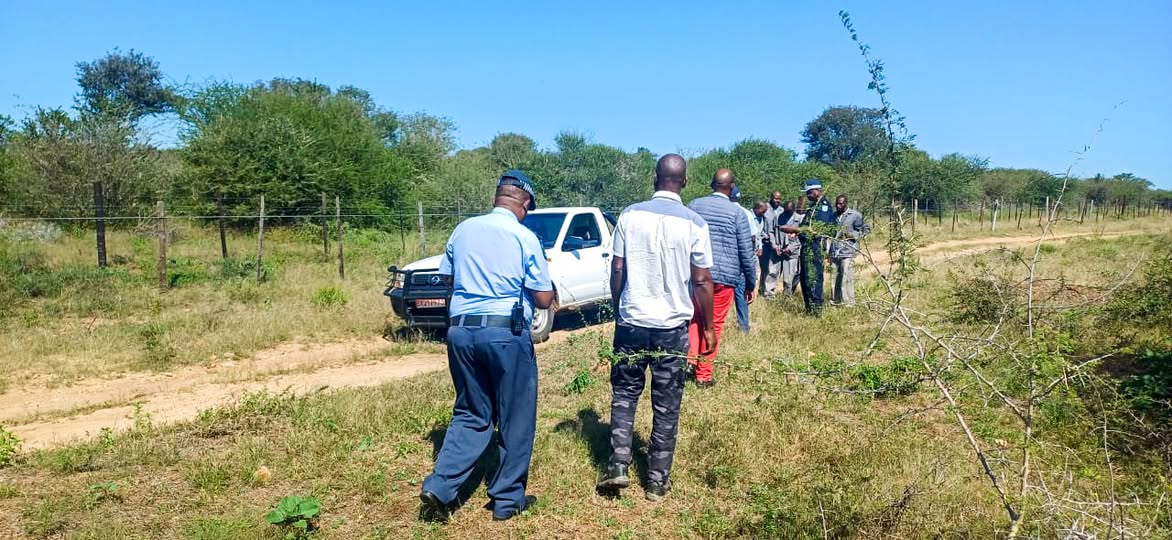
Botswana and Zimbabwe have introduced patrols by traditional regiments along parts of their shared border to help combat cross-border criminal activities.
Regiments are male age groups traditionally organised by communities and are increasingly being used to support public initiatives.
The patrols will take place along Botswana's eastern border with Zimbabwe.
The introduction of traditional regiments aims to provide additional support to members of the Botswana Defence Force and Botswana Police Service.
Regiment leaders from both countries told a recent consultative meeting at the Mabolwe-Mlambapele border post in eastern Botswana that they will work to help reduce cross-border crime.
They pledged to work closely with police, soldiers, wildlife officials, immigration authorities and other government departments to educate communities living along the border.
Regiment Leader for Botswana, Norman Masilo, says, "The curriculum that we teach the border communities ranges from cross-border crimes, foot-and-mouth disease, gender-based violence, and tourism conservation, where we are emphasising anti-poaching. We work closely with wildlife officials from both Botswana and Zimbabwe."
Regiment leader for Zimbabwe, Samson Sibanda, adds, "And then, main regiments (on the Zimbabwean side) are at Mashaba, Galesupi and Msendami. They are ready to fight fierce battles, and they are now calling themselves Mother of All Regiments. Those are the regiments we formed. We have Scorpion, also called Stop Group, and inland villages are serviced by other regiments curbing all the criminal activities such that crime ends."
Late last year, Botswana Police Service Commissioner Dinah Marathe and her Zimbabwean counterpart, Commissioner Stephen Mutamba, held a bilateral meeting in Francistown, where they agreed to engage communities and traditional leaders along the borders to strengthen efforts against cross-border crime.