FUEL COSTS SPARK THREATS OF TRANSPORT FARE HIKES
Breadcrumb
The rising cost of fuel is putting pressure on Namibia's public transport operators, with bus and taxi drivers threatening to increase fares, particularly as the festive season approaches.



The rising cost of fuel is putting pressure on Namibia's public transport operators, with bus and taxi drivers threatening to increase fares, particularly as the festive season approaches.
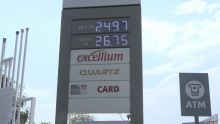
Namibian motorists face a fresh squeeze on their travel budgets, with petrol prices increasing by N$2 per litre and diesel by N$3 from Wednesday, 4 November.
Rising fuel prices, the threat of capital outflows, and the need to protect Namibia's international reserves have prompted the Bank of Namibia to raise its Repo rate by 25 basis points to 7%.
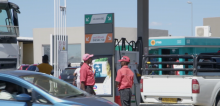
Public transport operators say the constant increases in fuel prices are stretching their budgets to breaking point.
Many operators and other drivers the NBC News team spoke to say the latest increase in petrol price of N$1.50 adds to their already strained earnings.
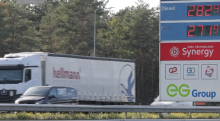
Dutch motorists have been crossing into Belgium to escape record fuel prices at home, turning border towns such as Turnhout into cheaper filling points.
Namibian motorists will have to dig deeper in their pockets as fuel is expected to go up on Wednesday.
The increases follow under-recoveries of 68 cents per litre on petrol, 215 and 214 cents on diesel grades.
With the monetary policy announcement expected tomorrow, economist Rodney !Hoaeb hopes that the central bank will have consumers in mind, as the increment of the repo rate was already choking.
Fuel prices are expected to increase slightly in August following government intervention.
Minister of Industries, Mines and Energy Modestus Amutse made the announcement at the Government Information Centre.
Motorists can expect some relief at the pumps in July, as the Ministry of Mines and Energy (MIME) announced a reduction in fuel prices, effective from midnight on Friday, 3 July 2026.
Students at the University of Namibia (UNAM) have questioned the effectiveness of government interventions aimed at cushioning consumers from rising fuel prices, saying the measures have had little visible impact on daily living expenses.