


Namibia's ocean is more than waves and water. Rather, it is a lifeline for food, jobs, and the broader economy.
The country's marine research community is celebrating a decade of scientific progress.
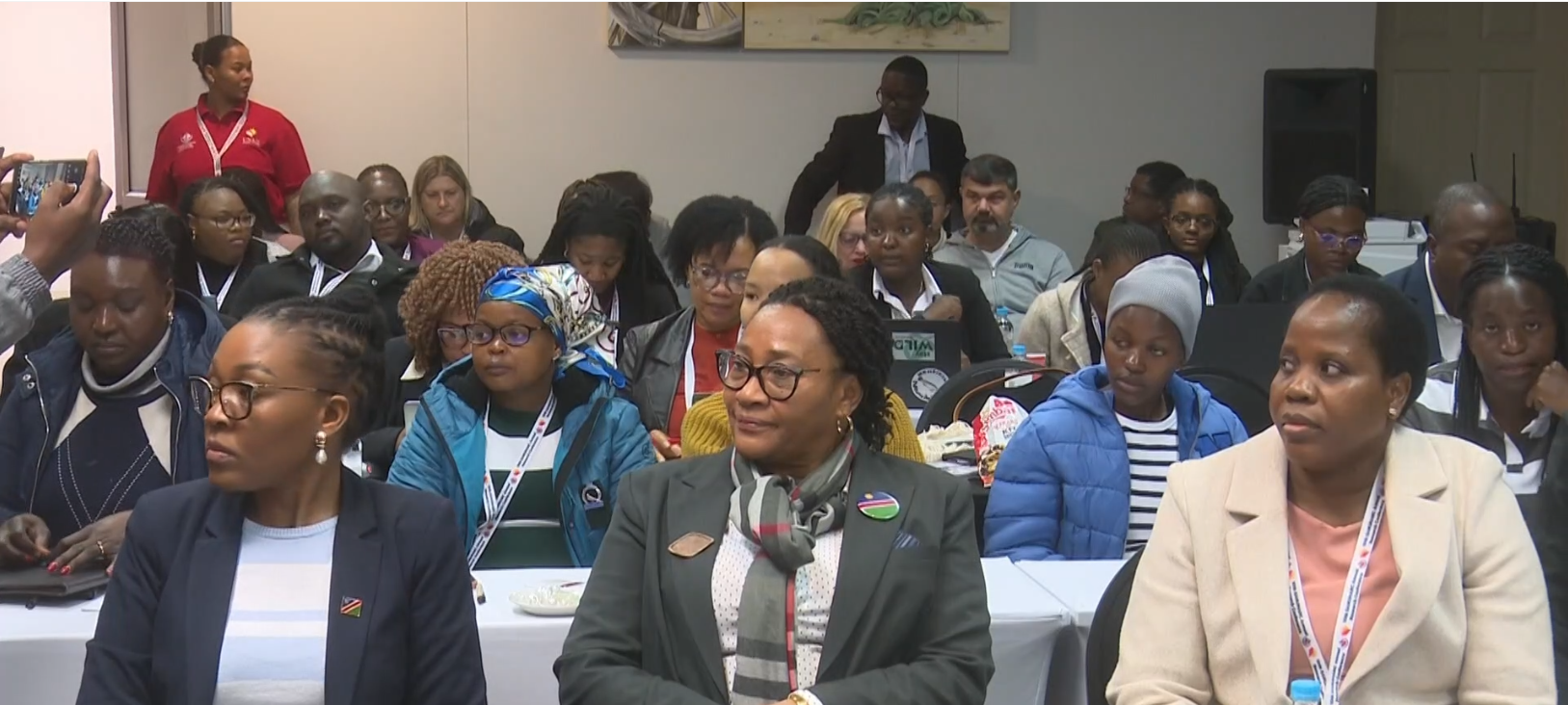
Yesterday marked the start of the 10th annual research conference by the Sam Nujoma Marine and Coastal Resources Research Centre, held at Walvis Bay; the event is marketed as being about turning science into action.
This year's conference is held under the theme "A Multi-disciplinary Approach to the Climate Change, Food Security and Blue Economy Nexus".
The event is a collaboration between the Sam Nujoma Marine and Coastal Resources Research Centre's annual research conference – SANUMARC – and the Tshwane University of Technology, bringing together scientists, students, policymakers and industry players to find solutions to the challenge of balancing ocean health with economic growth.
Erongo Governor Nathalia |Goagoses said Namibia's Benguela Current system is one of the most productive marine ecosystems in the world, though it is also one of the most vulnerable to climate change.
|Goagoses said rising sea temperatures, shifting currents and overfishing threaten food security and livelihoods.
"Our oceans and coastal resources are at a crossroads. Climate change is real, and we must work together across disciplines to protect our ecosystems and secure food for future generations."
She further said the sustainable use of ocean resources could unlock jobs and innovation, but only if managed wisely.
The governor challenged researchers to take their work beyond academic papers to concrete solutions that reach communities.
Pro Vice-Chancellor for Research, Innovation, and Business Development for the University of Namibia, Professor Cristina Stefan, and Professor Tshifhiwa Nagammbi from Tshwane University of Technology also emphasised the importance of collaboration between institutions and local communities.
They highlighted that integrating traditional knowledge with scientific research could lead to more effective strategies for conservation and sustainable development. By fostering these partnerships, they believe it is possible to create a more resilient future for both people and the environment.
Students were reminded that they hold the future of the country's oceans in their hands.
The conference runs throughout the week, with discussions focused on sustainability, climate resilience and innovation.