


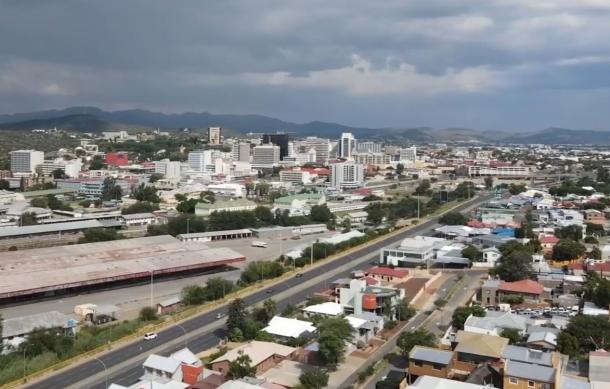
The City of Windhoek has highlighted mounting pressure on land and housing delivery as rapid population growth continues to outpace infrastructure development.
This was presented during a consultative meeting with the Parliamentary Standing Committee on Urban and Rural Development and Land Reform, held from 26 to 30 January 2026 in Rundu.
According to the City's Department of Housing, Property Management and Human Settlement, Windhoek's population grew from 325,858 in 2011 to an estimated 519,670 in 2025.
This has increased demand for serviced land and affordable housing.
Informal settlement households have risen to more than 5,000, while land needs for informal settlements now exceed 1,800 hectares.
Strategic Executive for Housing, Property Management and Human Settlement at the City, Faniel Maanda, explained that "when you go to the city, you will see the city is growing at 6.1% down. But the average of our city is not growing far higher than this one. Okay, so we are coming to proceed. Now specifically, that was also easy. The majority, we have here, this is for the reduction, especially over 70 years."
The city reported progress under various mass housing and land servicing programmes.
Plans in the pipeline include building 185,000 houses over 18 years, in line with Vision 2030. The project is estimated to cost about N$45 billion overall.
In the first two years, the target is to build 8,850 houses. A further 10,200 plots are due for servicing.
"We are talking about implementation plans. We are here to come up with this one to the 55,000, 45 billion. And then at the investment, that was the point. We have the history of mass housing. Here, the upgrading of the solar system is going to be for 50,000 households. We are the users who are concerned with mass housing. From the study that was done by NUST, we know the findings. They are all going out to improve it," said Maanda.
The presentation highlighted some persistent challenges, including the lack of a funding formula for local authorities.
It also cited the high cost of land servicing and construction, and historical policy gaps affecting housing delivery.
This is despite national frameworks that include Vision 2030, the Harambee Prosperity Plan and the National Housing Development Act.
The engagement aimed to brief lawmakers on progress, constraints and possible solutions to address Windhoek's growing housing backlog amid continued urbanisation.