


A lack of dedicated budgetary allocation and weak coordination are some of the challenges that hindered the successful implementation of Namibia's Second National Employment Policy.
This was highlighted during a consultation session with key stakeholders on the development of the 3rd draft of the new employment framework.
Namibia's first National Employment Policy was developed in 1997.
The policy was not fully implemented due to poor alignment with the national employment plans and broader economic strategies.
As a remedy, the government launched a second policy in 2013, which was later evaluated at the end of its lifespan.
The evaluation revealed several structural weaknesses, including the absence of a dedicated budget, weak coordination, poor dissemination and limited awareness.
The failure to establish a proposed employment creation authority or coordinating body also weakened oversight and coordination.
Without such a mechanism, efforts to promote employment remained fragmented and lacked accountability.
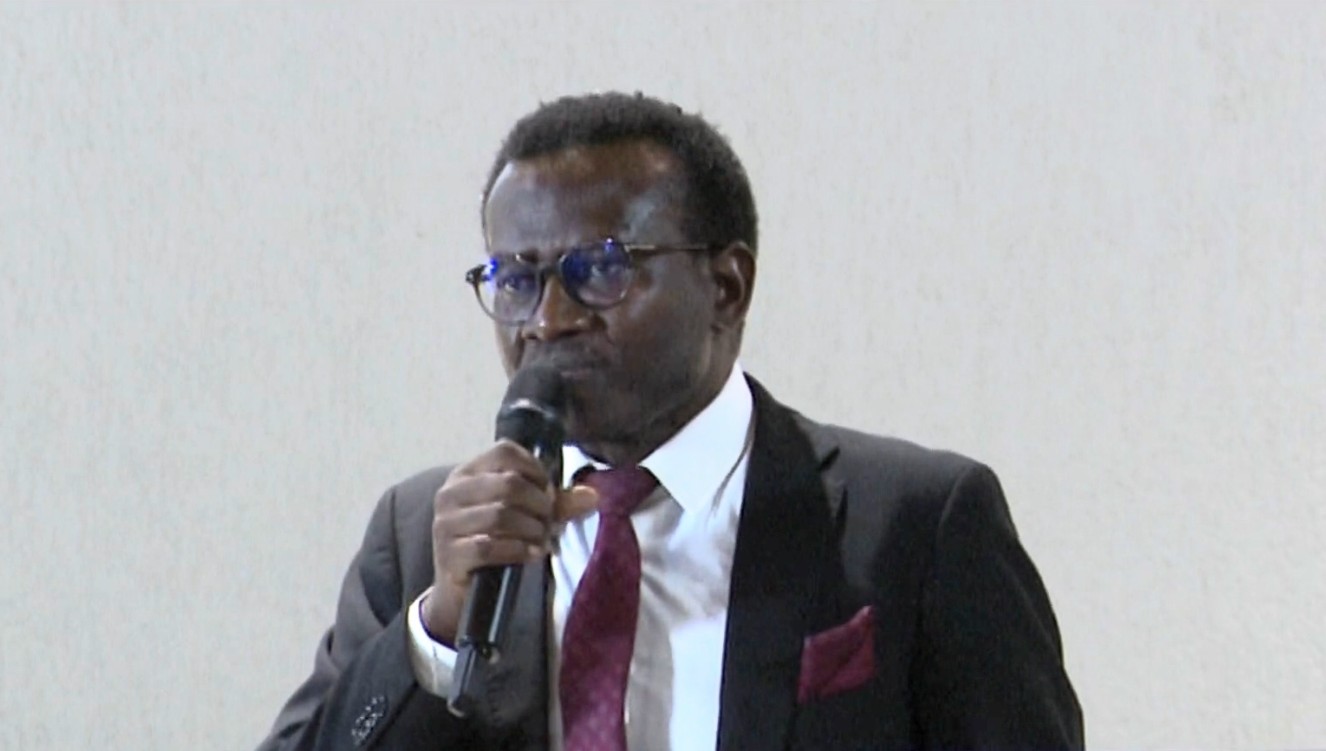
"And two, it was seen as a sector ministry only. Some of the ministries, because there was no wider consultation in terms of the dissemination after it was implemented, felt that perhaps the policy was a sector ministry only, or the employment commission was a responsibility of the Ministry of Labour. Three, there were those ministries that were aware, but however, they did not cascade the issue of employment in their strategic plan, as it was not implemented," says Director of Labour Market Services, David Iigonda.
At the core of the 3rd employment policy is the promotion of decent employment, defined as work that is sustainable, fairly paid and supported by social protection.
The policy also prioritises skills development and productivity.
However, current challenges show a mismatch between education and labour market needs, with many workers employed outside their fields of training.
"That speaks to internships and apprenticeships to ensure that there is a gap between the theory, the students that have learned and the practical to ensure that this gap is closed. Then if you look at the employment itself, inadequate skills, there is an understanding that despite the fact that the educational institutions are providing skills to the labour market, these skills are not inadequate. "
The session aims to gather inputs for an inclusive policy, which reflect regional priorities, high unemployment and needs like gender equity, youth and informal sector workers.