


Walking and cycling account for most daily trips, yet infrastructure remains fragmented and inconsistent, especially in small- and medium-sized towns.
The National Road Safety Council's (NRSC) and UNAM's study into non-motorised transport provision emphasised the need to prioritise such infrastructure.
The study was undertaken in Rundu, Tsumeb, Walvis Bay and Keetmanshoop.
It found that low-income households and vulnerable road users account for 70% of daily trips.
Non-motorised transport provision remains severely underdeveloped, systematically putting pedestrians and cyclists at risk, especially along high-demand corridors and school routes.
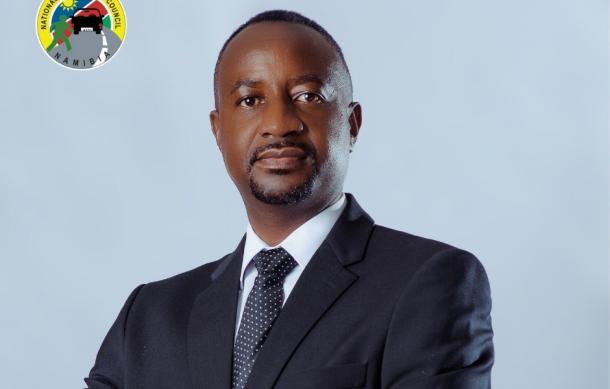
The absence of sidewalks, designated cycling facilities, safe crossings and adequate lighting exacerbates the situation, says Executive Director in the Works and Transport ministry, Jonas Sheelongo.
"We have more people migrating to urban centres, and therefore the little that was left for people to work on can no longer sustain the increased volume. So there must be a targeted effort to move or to create what we call 'non-motorised transport', walkways and bicycle lanes, and also to make sure that we should not only be focusing on driving vehicles."
None of the municipalities studied adopted or established a dedicated non-motorised transport policy or units or secured fenced funding.
This has resulted in ad hoc implementation, weak accountability and limited long-term sustainability.
The study emphasised the need for municipalities to adopt appropriate non-motorised transport policies with guidance and oversight from national institutions such as the National Road Safety Council.
The report was launched in Windhoek in celebration of the UN Global Road Safety Week.
"It is a fact that we have lost so many lives. We are experiencing lots of accidents, so many crashes, and many people have been injured in road accidents. When we are constructing roads as governments, we are constructing them to create connectivity, mobility and accessibility for our citizens and to connect our rural areas to urban ones and also to economic hubs, and therefore it is very sad to see that as a result of the roads, the good roads that we are creating. We must save lives, and we must not drive recklessly," stressed Sheelongo.