


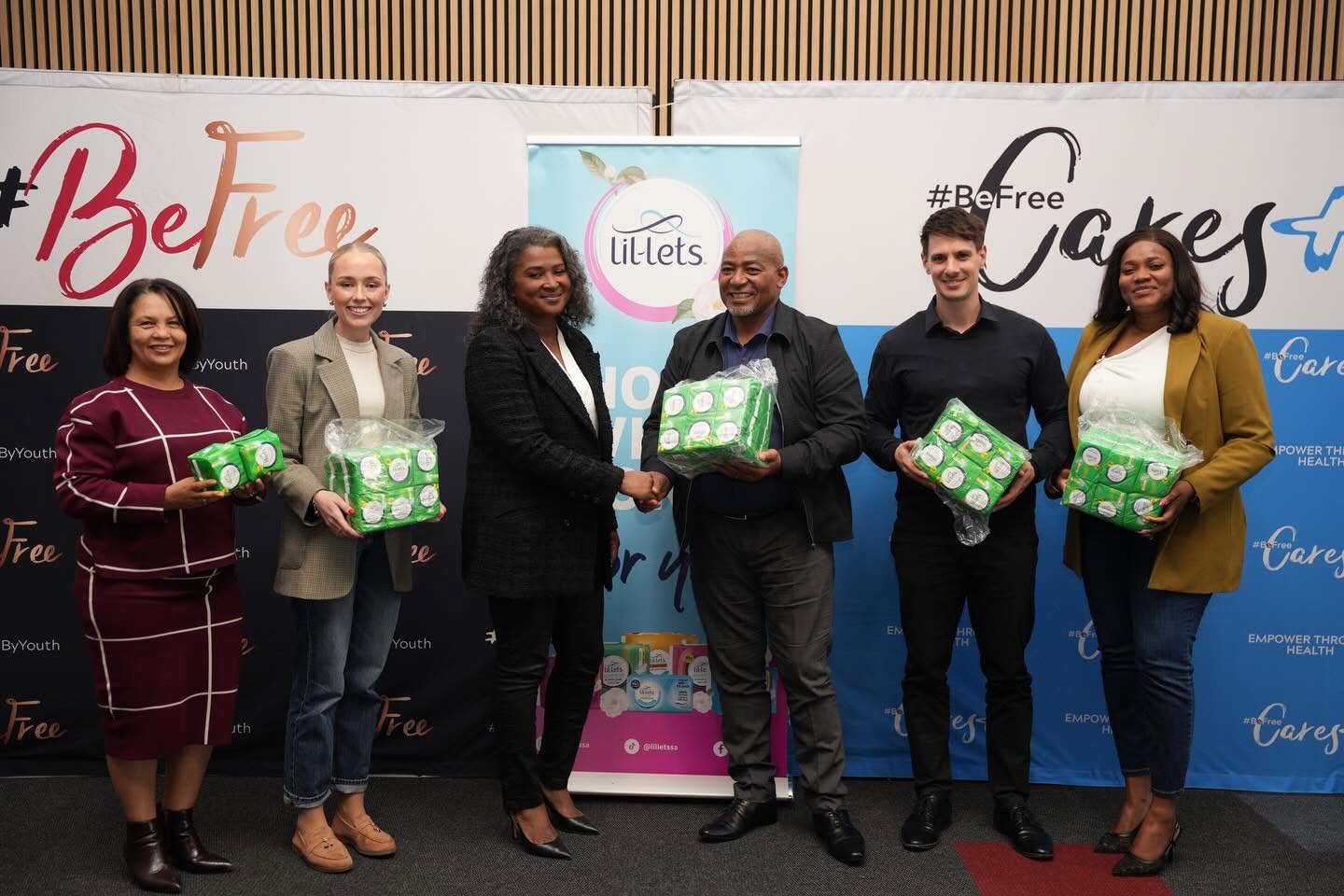
The One Economy Foundation has received a donation of 6,000 sanitary pads from South African-based Lil-Lets, owned by Premier FMCG, as part of efforts to address period poverty and restore the dignity of women and girls.
The donation, handed over under the "Let's Care for Her" campaign, will benefit several organisations supporting vulnerable women and girls.
These include the Zambezi Girl Child Foundation, Lidar Community Foundation, Havana Charity Work Foundation, Legal Assistance Centre, Lutos Project, Girl Up Namibia and Special Olympics.
Accepting the donation, One Economy Foundation Founder Monica Geingos said period poverty remains a reality for many women and girls.
"There are so many things in life that damage a girl's confidence, and there's a lack of confidence that puts us in situations that we cannot get ourselves out of in relationships.”
Premier FMCG representative Michaela Boing described the initiative as a tool to break the stigma surrounding menstruation and create a judgement-free environment.
“We truly hope that this contribution will make a meaningful difference in the lives of many women and girls. As I leave you today, always remember this: menstruation is a natural part of life and should never be a source of shame or barriers you'll choose."
Beneficiaries welcomed the donation, saying it will support young mothers and school-going girls who often struggle to access sanitary products.
Founder of Lidar Community Foundation Serley Eises had this to say:
“The products will be donated to all the young mums out of school and also those who are going to school. And this is particularly important for the Lidar mums who are in schools and who are unable to afford to take care of themselves during their periods, and it will help them to stay in schools as well.”
A representative of the Zambezi Girl Child, Munukayumbwa Ellis, also applauded the initiative.
"So if you come to us with us, it is a call over to make sure that something is neutral and the situation is not one of the reasons anyone is missing the needs for its institutional identity."