


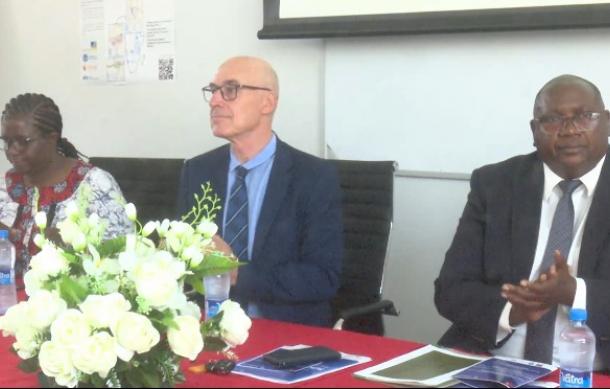
The third phase of the Future Rural Africa research programme has been launched at the University of Namibia's Katima Mulilo Campus, with stakeholders calling for research to translate into practical solutions that support sustainable development and improve livelihoods in rural communities.
The four-year research programme, launched under the theme "Future-Making and Social-Ecological Transformation", brings together international researchers and local institutions to examine how rural futures are shaped and how communities can benefit from social, economic and environmental transformation.
Speaking on behalf of the Governor of the Zambezi Region, Judea Lyaboloma Constituency Councillor Vincent Sinalumbu said the region's rich natural resources, conservation heritage and tourism potential make it an ideal location for the research initiative, highlighting that research conducted in these areas should translate into practical solutions and inform development planning.
“We need research that does not remain on the shelf of universities but contributes directly to better decisions, better policies and practical solutions for our communities.”
The councillor also called for stronger collaboration between researchers, government institutions, traditional authorities and local communities, saying development solutions are more effective when communities are actively involved in shaping them.
The programme will also focus on the Kavango-Zambezi Transfrontier Conservation Area, commonly known as KAZA, which spans Namibia, Angola, Botswana, Zambia and Zimbabwe.
Researchers hope the initiative will generate knowledge to support better management of shared natural resources and strengthen cooperation across borders.
University of Namibia Katima Mulilo Campus Director, Professor Samuel Mafwila said the programme seeks to understand how rural communities navigate change and shape their own futures.
He noted that research recognises that sustainable development requires a balance between social, economic and environmental interests.
“Research attains its greatest significance when conducted with communities, rather than merely about them, and when its outcomes contribute to practical discussions and decision-making processes.”
Professor Mafwila further emphasised the importance of supporting young researchers and ensuring that findings produced through the programme inform policy, strengthen institutions and benefit communities.
The institution anticipates that the third phase of Future Rural Africa will produce not only academic knowledge but also practical solutions that strengthen institutions and improve opportunities for rural communities.