


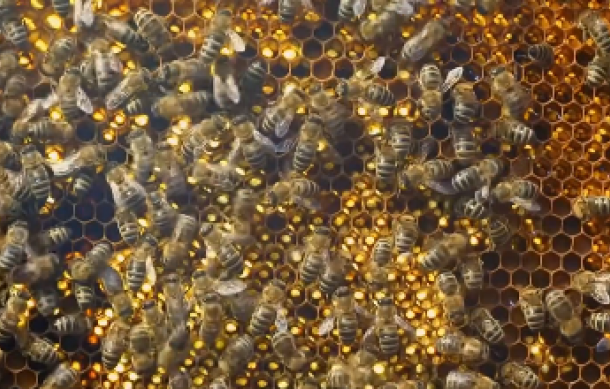
Namibia is launching a major initiative to strengthen its beekeeping sector and overhaul the management of honeybees.
Speaking at a National Apiculture Stakeholders Workshop in the Capital, Director of Forestry within the Ministry of Environment, Forestry and Tourism, Johnson Ndokosho, stressed they aim to balance public safety with the immense economic and environmental potential of local honey production.
Stakeholders at the one-day workshop aim to identify challenges affecting the growth of Namibia's apiculture sector.
Ndokosho encouraged organisations involved in apiculture to strengthen their capacity to manage bee colonies and safely relocate them from areas where they are unwanted.
"And also the other issue that I really want us to also grapple and think about quite seriously is human-bee conflict. The human-bee conflict, especially this year, we have seen quite a lot, especially in northern parts of the country. I think at one point, in Oshikoto alone, there were about 200 cases of aggressive bees, or at least bees being reported staying in people's houses and people's food storage and all that. Per month, 200 cases were reported. And I remember I said in community members speaking to me that we have reported all these cases, and none of them have been attended to."
He says Namibia should make greater use of its own bee populations instead of relying on bees imported from countries, such as South Africa.
"Whether we do have capacity within the Directorate of Forestry, and if the answer is no, how do we enhance and strengthen that capacity then? Sometimes you need not have it within your team itself. Sometimes you need to work with others so that capacity is available within the country. It need not necessarily be within a specific institution. But I think broadly, we want to ensure that in Namibia, we do have capacity to manage these bees."
Discussions are focusing on sustainable beekeeping, honey harvesting, and the utilisation of other bee products, as well as gaps in the country's regulatory, institutional, technical, and market systems.
Namibia's modern beekeeping sector dates back to around 1991, while the country's first major feasibility study on beekeeping was conducted between 1994 and 1996.
The sector is currently governed by legislation, including the Forest Act and its regulations, which provides for permits relating to beekeeping, harvesting and the transportation of honey and honey-producing organisms.
The workshop is expected to produce practical recommendations towards the development of a National Apiculture Framework aimed at strengthening Namibia's apiculture value chain.