


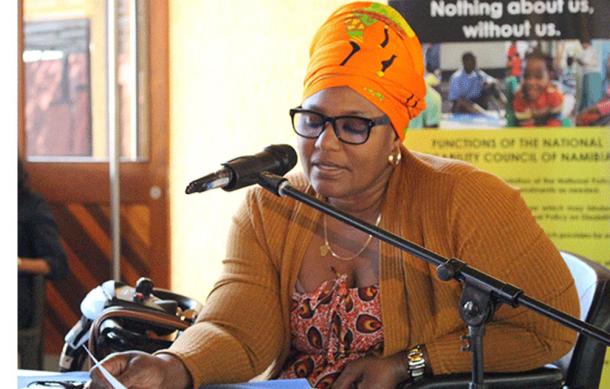
The true measure of independence lies in ensuring inclusive growth that leaves no citizen behind.
These are the words of Namibia's disability rights pioneer Alexia Manombe-Ncube as Namibia marked its 36th independence anniversary.
Manombe-Ncube reflected on progress and challenges experienced in the past thirty-six years.
“Namibia's path to independence was marked by resilience and determination - from the struggle for freedom to current-day development. However, challenges persist, particularly in addressing inequality and ensuring inclusive growth. As we celebrate 36 years of our independence, I believe our focus should be on accelerating the economic empowerment of persons with disabilities and promoting social cohesion and national unity. “
Manombe-Ncube, who also serves as a Swapo Party MP in the National Assembly and a former disability affairs deputy minister, was one of the initiators of the revised national policy and its costed implementation plan, which replaced the outdated 1997 framework.
“This plan transforms policy commitments into actionable steps, with clear timelines, resources and responsibilities across government and agencies, as disability is a cross-cutting issue."
She says the disability sector requires urgent intervention and is currently underfunded.
“In education, we need to improve access to quality education and vocational training for learners with disabilities; this should be a key focus area. Strengthening the national sector policy on inclusive education and ensuring training centres are fully developed and accessible is crucial.”
She stresses that limited access to transportation was also a significant barrier for persons with disabilities, adding that accessibility should go beyond just ramps.
“We should enforce universal design standards in new infrastructure projects to mandate regular audits for government and private projects to identify and address accessibility gaps.”
Manombe-Ncube is hopeful that with the revised policy, accessibility in transportation systems will be improved.
On seeing 'born-frees' with disabilities reaching their mid-30s with high qualifications but low employment rates, Manombe-Ncube notes that the Employment Equity Commission is reviewing the Affirmative Action Act to address these shortcomings and ensure equitable representation in employment.
"To the young women and men out there, I want you to know that you are not alone in feeling 'left behind'. Your voices are important, and your contributions are invaluable. Namibia's journey towards progress is ongoing, and you play a crucial role in shaping it. Let us continue to strive for a Namibia where everyone has the opportunity to thrive."
According to the latest census, Namibia has more than a 100,000 persons with disabilities.