


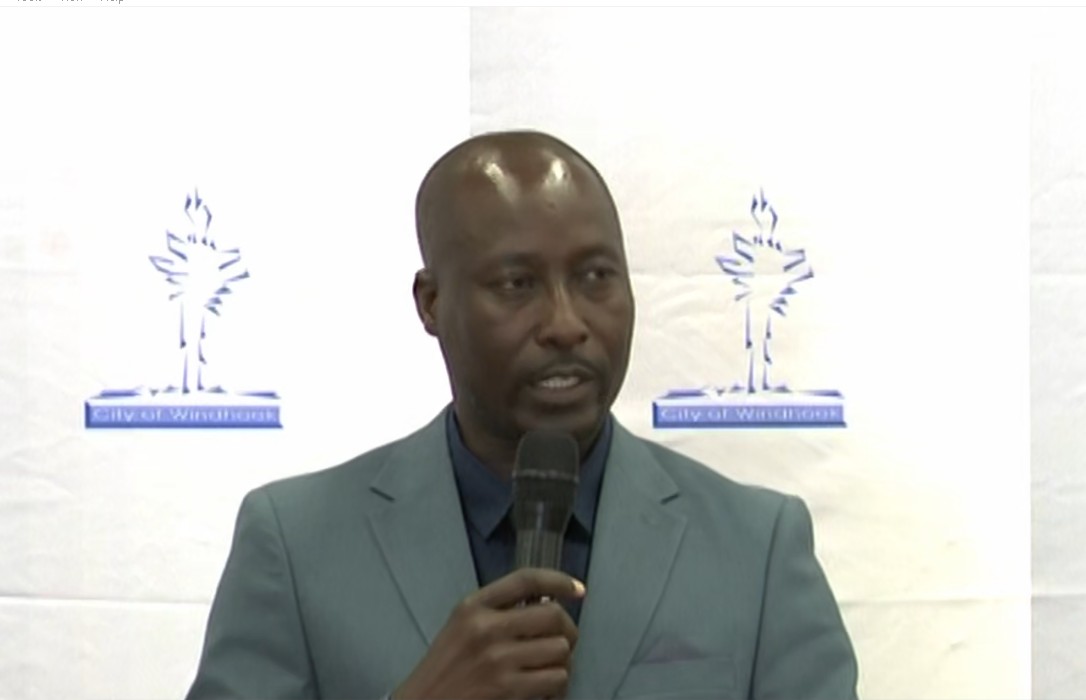
Housing and land delivery emerged as a top priority as the City of Windhoek began its annual strategic review and budget session for the 2026/2027 financial year, assessing progress under the municipality's 2022-2027 Strategic Plan.
Windhoek Mayor Sakarias Uunona said the session will evaluate the city's performance while focusing on urgent challenges, particularly the growing housing backlog, infrastructure pressure and youth exclusion from the economy.
"Without assessing our progress, I expect us to interrogate: are we responding fast enough to the socioeconomic pressure of a rapid, urbanising capital? Have we created systems and processes that match the complexity and pace of modern city management? Are we investing? Are our investments aligned with the need for youthful cooperation and economic transition?"
Chairperson of the Management Committee Austin Kwenani stressed the need to address housing needs while calling for stronger investment attraction, support for small businesses and digital innovation to position the capital as a regional economic hub.
"Cities everywhere are grappling with climate variability, urbanisation pressures, technological disruptions and shifting economic landscapes. Namibia is no exception because our local authorities occupy a unique position in the national governance architecture where it has been repeatedly recognised that policy meets people and governance meets the ground."
The city's Chief Executive Officer, Moses Matyayi, warned that rapid urban growth in Windhoek is placing increasing pressure on municipal resources and infrastructure, highlighting the need for careful planning and prioritisation in the upcoming budget.
"Formalisation of informal settlements, which is one of the biggest priorities in order to really guarantee a level of dignity to the people of the residents of Windhoek. Last year, maybe if I could just give you some numbers, the residents in Windhoek in the informal settlements account for about 55,000 households, of which if you multiply it by the number of people in one household, it would actually bring you to 204,000 people who actually live in the informal city."
Director General of the Namibian Broadcasting Corporation , Stanley Similo, was among the guest speakers and highlighted the importance of strategic planning in strengthening institutional performance and development.