


The flood situation in the Zambezi Region appears to be under control, based on the latest updates from authorities on the ground.
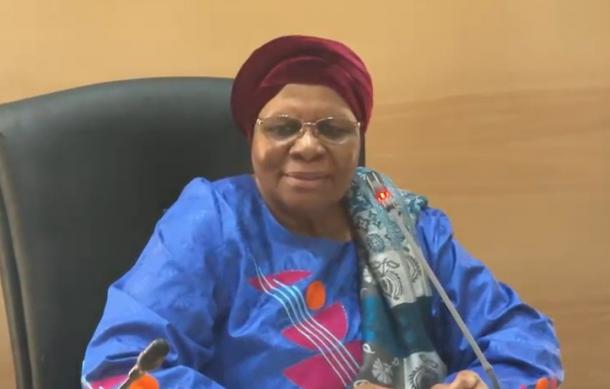
President Netumbo Nandi-Ndaitwah, who arrived in Katima Mulilo this afternoon, held a meeting with Governor Dorothy Kabula, regional councillors, and other officials to discuss the situation.
During the briefing, the Director for Planning and Rural Development, Beaven Walubita, provided an update on progress in the affected areas.
Several schools, including Muzi and Nankuntwe Combined Schools, as well as Mpukano Primary School, have been relocated due to rising water levels, with learners being moved to safer areas and alternative schools.
Walubita said the Regional Disaster Risk Management Committee, together with the Regional Council, has engaged the Office of the Prime Minister to facilitate the use of the Kapelwa Kabajani ferry to transport affected learners to Luhono, from where they will proceed to their allocated locations.
A skipper from Walvis Bay has also been requested to assist with operations.
He added that available relief items for affected learners include 50 tents, 100 mattresses, and 100 blankets, mainly for schools hosting displaced learners.
In the Sibbinda Constituency, flash flood victims have been relocated to higher ground, with the government providing emergency assistance, including tents and food supplies.
Relief items delivered on Friday include 864 bags of rice, 1,209 tins of fish, 3,309 units of cooking oil, and an additional 840 bags of rice.
However, communities have raised concerns that rice is not a staple food, requesting maize meal instead.
Director of Planning and Rural Development, Beaven Walubita, explained the situation.
“Most of our people do not prefer rice; it is not a staple food here. Our communities have requested maize meal instead. Their proposal is that the Office of the Prime Minister and the Regional Council procure maize meal from a local supplier, as they are not satisfied with the rice provided.”
Other support items include 25 water purification tablets and 2,000 mosquito nets, primarily targeting children in the most affected areas.
The President’s delegation also contributed 20 boxes of water purification tablets.
Dr Nandi-Ndaitwah also gave her inputs.
“We should really, comrade governor and councillors, work together and see how we can help our people understand the situation. Relocating is always a challenge, especially when people are used to their homes. Often, only when the water rises do they move, and at that point, it becomes a crisis. Overall, I am pleased with how this situation is being handled and with the responses that are coming through.”
To ensure continued access to healthcare services, a boat has been deployed in Impalila to assist clinics in Mbalasinte and surrounding areas. Communities are encouraged to support operations by contributing fuel.
However, regional leadership highlighted ongoing challenges, particularly regarding transport and the distribution of relief supplies.
Governor of the Zambezi Region, Dorothy Kabula, explained the situation.
“Transport is a major challenge for distributing supplies. We only have one truck at the Regional Council. Previously, we used to source trucks from other communities. While we welcome local assistance, one truck alone cannot manage the distribution effectively, and that remains our biggest challenge.”