


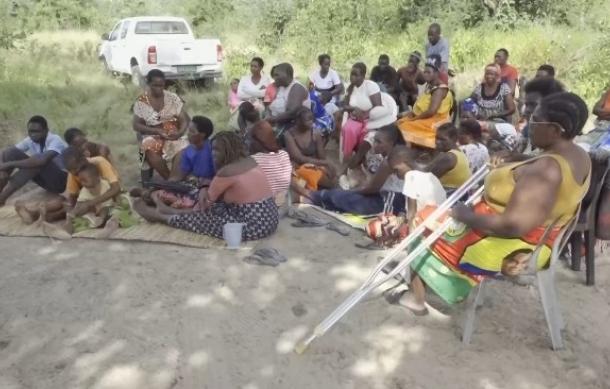
There are renewed calls for urgent improvements in the distribution of food aid to affected communities in the Zambezi Region, with concerns raised over delays and lack of accountability in the current system.
Speaking during a stakeholder engagement for the risk and disaster management committee, the director for risk and disaster management in the office of the prime minister, Helen Likando, said food supplies should not remain in warehouses for extended periods.
She suggested they instead be distributed to beneficiaries as soon as they are received.
Warehousing, she argued, should only serve as temporary storage, with food ideally not kept for more than two weeks.
"By the time we cry out to say people are hungry on the ground, we should have registered the people. When we receive food immediately, that food should be distributed to those that are in need. It's advisable, of course; we have had a number of bad experiences in that regard, and it should never be repeated."
She enforced that a centralised list of affected residents and all other required statistics in terms of needs, food distribution, relocated farmers and other affected farmers who have lost their crops be made available by the Zambezi regional council for effective and efficient planning.
The call comes amid reports that while communities continue to face hunger on the ground, food consignments are still being held in regional storage facilities.
Sankwasa and the delegation visited relocation sites in the Kabbe North, South and Katima Mulilo rural constituencies on Monday.
"No single person has received any tent, any blanket, any food, or any medicine; there has virtually been no support from the government since they relocated to these places, so this creates an emergency on the side of the government to respond to the people."
During the site visits, he said concerns were raised regarding the lack of proper sanitation facilities in many camps, while available water sources were unsafe for consumption, increasing the risk of disease; he called for immediate provision of water treatment supplies and improved hygiene measures.
Sankwasa said that the impact of the floods has also extended to agriculture, with large areas of farmland submerged.
"And the flood is quite high this year; their fields have been submerged in water, so there is no crop harvest this year. Therefore, we need to prepare as a government. How do we prepare seeds for the next ploughing season?"
The team, consisting of executive directors from some ministries, regional councillors and other institutional heads, proceeded to visit relocated residents in Katima Urban and Sibbinda constituency who were affected by flash floods from heavy rains.