


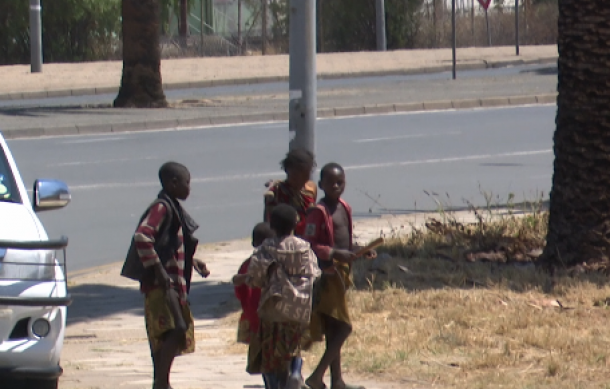
The government has questioned the process followed by Amnesty International in compiling its report on Angolan children who are roaming the streets of the country.
The report raised concerns about the treatment and protection of the children, who have grown in numbers.
The movement of Angolan children into Namibia has raised concerns about their safety, welfare and treatment.
Amnesty International says the group includes people displaced by drought who crossed into Namibia.
The organisation has called for their rights and dignity to be protected.
But the government says the issue cannot be considered outside the country's laws and international obligations.
The Ministry of International Relations and Trade says the country manages migration in accordance with the Constitution, immigration laws, national policies and its international and regional obligations.
It says Namibia's approach in dealing with children seen begging at busy traffic lights and following tourists around is guided by sovereignty, good neighbourliness and regional cooperation, while taking into account the rights and welfare of women and children.
In its question around the manner in which information was gathered, the government stated that the report was published without adequate prior consultation or sufficient time for authorities to provide information and clarification.
In its September report, Amnesty International found that these children face barriers to education, healthcare and access to legal identity.
The report says almost none of the children in the communities studied had birth certificates, whether they were born in Angola or Namibia.
It further found that there are Angolan children living or working on the streets in towns including Windhoek, Oshakati and Swakopmund.
The report also documents cases involving unaccompanied and separated children.
Amnesty says children in some communities live without reliable water, sanitation, adequate food or proper shelter.
Eighteen children were returned on 12 June 2023, followed by another six in October that year.
According to the report, publicly available information does not establish whether all returned children were reunited with parents or relatives or whether best-interest assessments were carried out.
Amnesty International says the challenges facing these children go beyond their immigration status.
The Namibian government, however, said the situation is being addressed in consultation with Angola and other stakeholders.
The NBC news reached out to the Angolan embassy last month regarding the children but received no response to date.